

The Singapore office fit-out has changed job description. Five years ago it was about fitting the maximum number of desks into the floor plate; in 2026 it is about making the office worth the commute. With hybrid patterns now settled at three to four office days a week for most firms, and CBD Grade A rents at a 17-year high, tenants are taking slightly less space and spending noticeably more per square foot on what they build inside it.
Having walked hundreds of tenants through fit-out decisions — from 1,500 sq ft suites to full floors at buildings like Guoco Tower and Paya Lebar Quarter Tower 1 — I see the same six trends recurring in nearly every 2026 project brief. This guide covers each one, what it adds to the budget, and the part most articles skip: what these trends mean for your lease negotiation and your reinstatement bill at the end of the term.
What Is Driving the 2026 Fit-Out Brief
Two market forces sit behind every trend on this list. The first is the flight to quality: with vacancy in the best CBD buildings near record lows, companies that secured good space are treating the fit-out as part of their talent proposition, not a facilities line item. The second is cost discipline: at $12–15 psf for Grade A CBD rent, every workstation that sits empty three days a week is an expensive piece of furniture. The rational response — and the one we see in practically every 2026 requirement — is a smaller, better office: less area per head on paper, more variety and quality in what gets built.
The brief has flipped. Tenants used to ask me for the cheapest workable space and spend the minimum on fit-out. Now mid-sized firms routinely take 20% less area than their old office and put the rent saving into the build. The office has to earn the commute, and everyone knows it.
— Jeremy Lim, Founder & Director, SparkSpace Singapore
Trend 1: Activity-Based Working Becomes the Default
Fixed desks for every employee are gone from most new fit-outs. In their place: zones designed around specific activities — focus pods for heads-down work, collaboration areas with writable walls, one-person video-call booths (the single most requested item in 2026 briefs), and social spaces that double as townhall venues. A well-planned activity-based layout typically needs 20–30% less floor area than a traditional one-desk-per-person plan, which at CBD rents pays for a large part of the fit-out itself.
One caveat from projects that got it wrong: activity-based working fails when the ratios are guessed. If your team genuinely does four hours of video calls a day, six booths for eighty people will cause a mutiny. The better 2026 projects run a few weeks of simple utilisation measurement before the space plan is fixed — which conveniently, the smart-office systems in Trend 3 make easy.
Trend 2: Biophilic Design Moves From Feature to Baseline
Living walls, substantial indoor planting, natural timber and stone finishes, and layouts that maximise daylight have moved from premium statement to standard expectation. Singapore's own commercial architecture set the tone — Marina One's Green Heart and the sky terraces at CapitaSpring made greenery part of the Grade A vocabulary — and tenant fit-outs have followed. Budget roughly $10–$20 psf on top of your base fit-out for meaningful biophilic integration: real planting with irrigation and maintenance contracts, not a plastic hedge at reception.
Trend 3: Smart Office Technology as Standard Kit
Occupancy sensors, desk and room booking apps, smart lighting and integrated video conferencing are now baseline in mid-range fit-outs, not premium extras. The quiet value is in the data: sensors tell you which settings are actually used, so your next space decision — grow, shrink, reconfigure — is based on measurement rather than the loudest opinion in the room. Allow $15–$30 psf for IT and AV infrastructure on top of construction, and decide the sensor and cabling layout before the ceiling closes; retrofitting data points after the carpet is down is $10,000–$20,000 of avoidable rework.
Trend 4: Hospitality-Grade Front of House
The best 2026 offices borrow openly from hotels: a reception that reads as a lounge, barista-quality coffee, warm materials, proper acoustic treatment. This is a direct response to the comfort of working from home — and it does double duty for clients. Law firms and financial services tenants in particular are spending disproportionately on the client-facing 20% of the floor: meeting suites, boardroom AV and arrival experience, while keeping the back-of-house build simple. A $5,000 feature wall at reception creates more impression than $50,000 of upgraded flooring nobody notices.
Trend 5: Sustainability Requirements With Teeth
Low-VOC finishes, recycled and regionally sourced materials, and energy-efficient lighting are now expected by employees, clients and — increasingly — the landlord. Several Singapore fit-out firms offer carbon-accounted packages, and MNC tenants with group ESG targets are writing sustainability specifications into their design briefs as hard requirements. If your building is chasing or holding a BCA Green Mark rating, expect the landlord's fit-out guide to impose its own standards on your works. The cost premium has narrowed to single-digit percentages on most projects, and for tenants reporting under group sustainability frameworks it is no longer optional.
Trend 6: Fitted Suites and Fit-Out Takeovers
The quiet structural trend of 2026: more tenants avoiding a full fit-out altogether. Landlords across the CBD are pre-fitting smaller units into move-in-ready suites to compete for the under-5,000 sq ft market, and outgoing tenants' fit-outs are increasingly taken over rather than demolished. A sensible takeover can cut capital outlay by $30–$50 psf — but always commission a building surveyor's inspection (around $2,000–$3,000) before committing, and confirm in writing who carries the reinstatement obligation for works you inherit. We covered the full economics in our office fit-out cost guide.
What Each Trend Adds to the Budget
| Trend | Budget Impact | Where It Pays Back |
|---|---|---|
| Activity-based layout | Neutral to negative | 20–30% less area leased |
| Biophilic design | +$10–$20 psf | Talent attraction, wellbeing |
| Smart office / IT | +$15–$30 psf | Utilisation data, fewer wasted seats |
| Hospitality front of house | Concentrated spend | Client impression, recruitment |
| Sustainability spec | +3–8% typical | ESG reporting, landlord compliance |
| Fitted suite / takeover | −$30–$50 psf | Lower capex, faster move-in |
For context against the base numbers: a functional basic fit-out runs $50–$70 psf, mid-range $80–$120 psf, and premium builds $130–$180+ psf in 2026. A 3,000 sq ft mid-range project lands around $240,000–$360,000 before furniture and IT.
The Part Nobody Budgets: Landlord Approvals and Timeline
Whatever you build, the building has a say. Most Grade A landlords require a refundable renovation deposit ($5,000–$20,000), a non-refundable administration fee ($2,000–$5,000), approval of your contractor and drawings, and hoarding up before works start. Noisy works are restricted to after hours, billed at $80–$250 per hour — over an eight-week construction period that can quietly add $5,000–$15,000. End to end, allow 12–16 weeks from design to handover for a typical project.
That timeline is exactly why the rent-free fitting-out period matters in your lease. The market norm is 2–3 months on a three-year term, and it is one of the genuinely flexible items in a tight market — we cover how to secure it in our guide to negotiating office rent in Singapore.
What These Trends Mean for Your Lease
Two lease clauses interact directly with your fit-out ambitions. First, reinstatement: everything you build, you will one day remove. Singapore leases almost always require reinstatement to the landlord's bare condition — the obligation is rarely waived or capped — and a rich fit-out means a bigger bill, typically $10–$30 psf. Pin the exact reinstatement scope in writing and commission a pre-condition survey at handover, so you are not paying to undo the previous tenant's works. Second, fit-out approvals and as-built documentation: keep every landlord approval and updated drawing filed, because they become your evidence at lease end. The full cost picture — deposits, stamp duty, fit-out and reinstatement together — is in our complete guide to office leasing costs.
If you are sizing a new space around an activity-based plan, our space calculator gives you a working floor-area estimate in under a minute.
Frequently Asked Questions
How much does an office fit-out cost in Singapore in 2026?
Basic functional fit-outs run $50–$70 psf, mid-range projects — where most 2026 briefs land — cost $80–$120 psf, and premium builds run $130–$180+ psf. Add $15–$30 psf for IT infrastructure and $20–$40 psf for furniture. A 3,000 sq ft mid-range fit-out typically totals $240,000–$360,000 before furniture and IT.
How long does an office fit-out take in Singapore?
Allow 12–16 weeks from design to handover for a typical project: 3–4 weeks for design and landlord approval, 8–10 weeks for construction, and 1–2 weeks for testing and handover. Negotiate a 2–3 month rent-free fitting-out period in your lease so you are not paying rent on a construction site.
Do I need landlord approval to fit out my office?
Yes. Grade A buildings require approval of your contractor, drawings and materials before works begin, along with a refundable renovation deposit ($5,000–$20,000) and an administration fee ($2,000–$5,000). Noisy works are restricted to after hours and charged at $80–$250 per hour, so factor the building's fit-out guide into both budget and programme.
Is activity-based working worth it for smaller offices?
Usually yes, with measurement first. Activity-based layouts need 20–30% less floor area than fixed-desk plans, which at CBD rents of $12–15 psf funds much of the fit-out. The failures happen when ratios are guessed — run a few weeks of simple utilisation tracking before fixing the space plan, especially for video-call booths and meeting rooms.
Should I take a fitted unit instead of doing my own fit-out?
For requirements under about 5,000 sq ft, seriously consider it. Landlord-fitted suites and fit-out takeovers from outgoing tenants can cut capital outlay by $30–$50 psf and shorten move-in from months to weeks. Commission a surveyor's inspection before committing, and confirm in writing who carries the reinstatement obligation for the works you inherit.
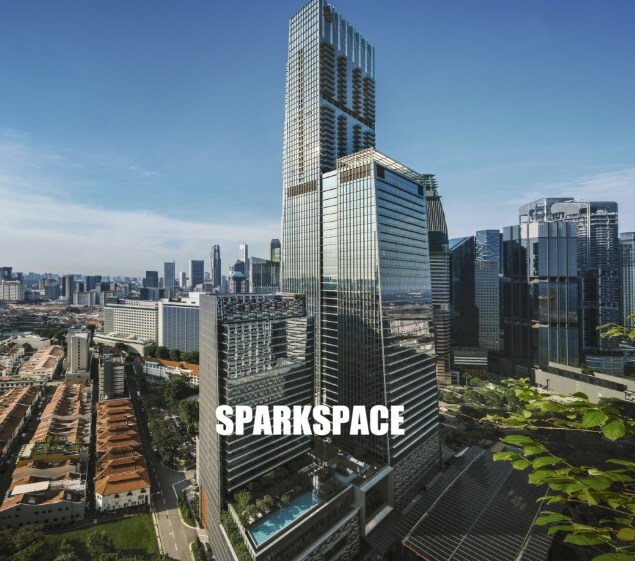
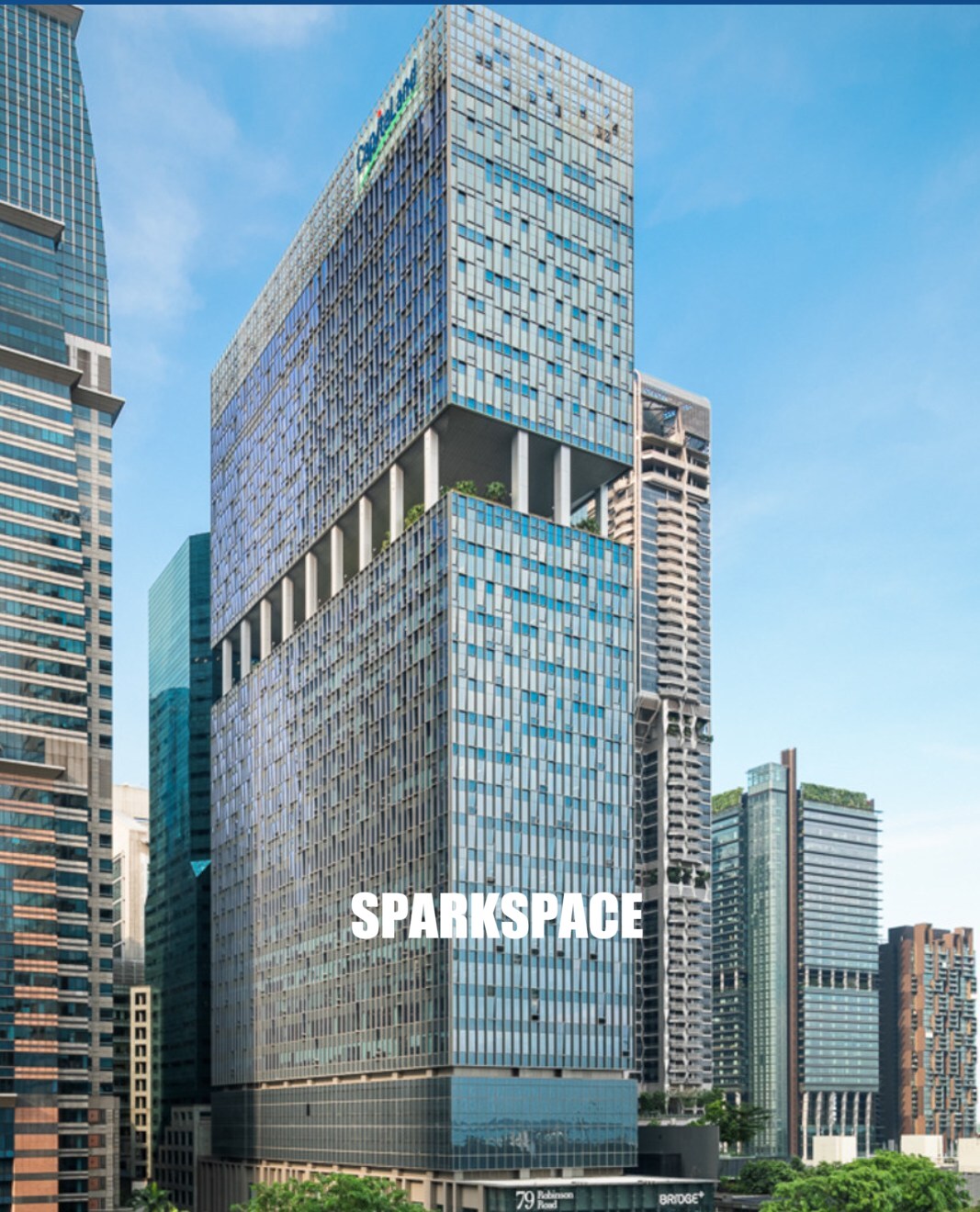
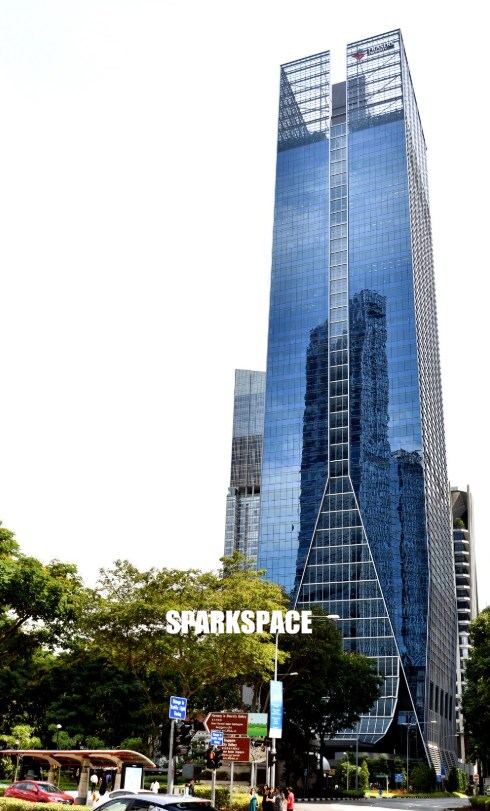
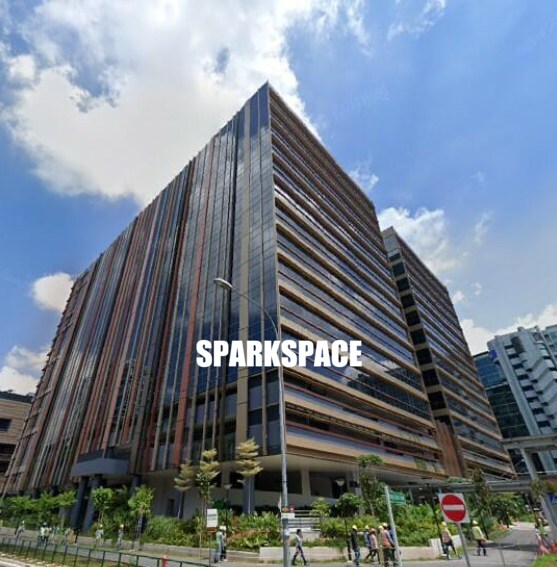
Buildings Popular With Fit-Out-Conscious Tenants
These towers combine strong base specifications with landlord fit-out regimes we know well — including fitted-suite options for smaller requirements. Browse current rates and availability, or ask us which floors come with a takeover-ready fit-out.
Planning a Fit-Out With Your Next Lease?
We shortlist spaces that suit your layout plans — including fitted suites and takeover opportunities — and connect you with trusted commercial interior designers for competitive quotes. Free for tenants.
Sources: SparkSpace advisory data (tenant fit-out projects 2016–2026), BCA Green Mark scheme requirements, CBRE and JLL Singapore workplace and fit-out cost commentary (2026). Cost figures are indicative 2026 ranges in S$ per sq ft and vary by building and specification.