
The difference between the asking rent and the final negotiated outcome can be 10–20% of total occupancy cost for a well-prepared tenant. On a 3,000 sq ft office at $12 psf, that is the equivalent of $40,000–$85,000 over a three-year lease — real money that stays in the business rather than going to the landlord. Yet most tenants leave it on the table, either because they start too late or because they negotiate the wrong thing.
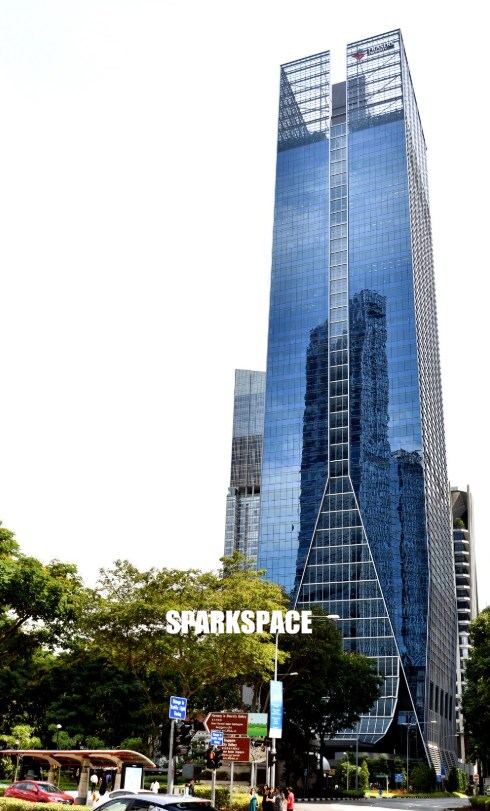
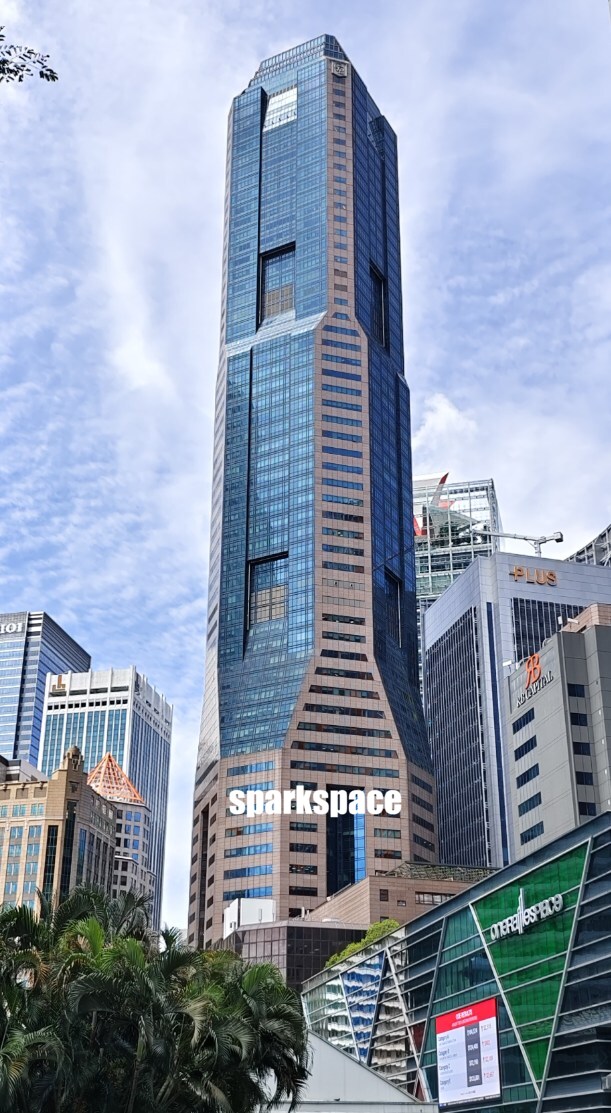
Having advised over 200 tenants on office leases across buildings from Guoco Tower and Frasers Tower in the CBD to decentralised options like Paya Lebar Quarter Tower 1, I have seen the same pattern repeatedly: the tenants who save the most are not the most aggressive negotiators — they are the most prepared. Below are the seven strategies that consistently deliver results, plus a worked deal example showing exactly where the savings come from in the current market.
First, Read the 2026 Market Honestly
Singapore office rent negotiation in 2026 is harder than it was three years ago, and any guide that pretends otherwise is selling you false confidence. Core CBD Grade A rents have climbed to a 17-year high, vacancy in the best buildings is near record lows, and the development pipeline is thin through 2027. In that environment, landlords have little reason to drop their headline (face) rent — and most won't.
But here is what has not changed: the package is still negotiable. When a landlord wants to protect the quoted psf figure for the sake of their other tenants' benchmarking, they will often concede generously on incentives instead — a longer rent-free period, lower after-hours air-conditioning charges, free car park lots, and a fixed step-up rather than a market review on a longer lease. The skill in 2026 is knowing to stop fighting for a lower number and start fighting for a better structure.
Strategy 1: Start Early
Begin your search 6–9 months before your target move-in date or current lease expiry. Early starters have more options, more time to negotiate, and — critically — less pressure to accept unfavourable terms. Landlords and their leasing managers can sense urgency the moment a tenant admits their lease expires in eight weeks, and they price that urgency into every counter-offer. Time is the single most valuable negotiating asset a tenant has, and it is the only one that is entirely within your control.
Strategy 2: Get Genuine Competing Offers
Never negotiate with just one landlord. Shortlist 3–5 buildings and take at least 2–3 to the offer stage. When a landlord knows you have a real, costed alternative at a comparable building — say you are weighing Republic Plaza against Ocean Financial Centre — they become far more flexible on incentives. A competing offer is not a bluff you mention in passing; it is a documented Letter of Offer you can put on the table. Leasing managers verify quickly, and an empty threat costs you all your credibility.
Strategy 3: Negotiate Effective Rent, Not Face Rent
This is the most important shift in mindset for the current market. A $12 psf rent with three months rent-free works out to an effective rent of roughly $11 psf over a 36-month lease — even though the headline number never moved. Landlords frequently prefer to hold a higher face rent (for benchmarking) while quietly granting incentives that lower your real cost. Always compute the effective rent across the full term before comparing two offers; the building with the higher quoted psf can easily be the cheaper deal once the rent-free period, fit-out contribution and ancillary charges are factored in.
Strategy 4: Leverage Lease Length
Landlords value certainty, and they pay for it. A 5-year commitment typically earns a better effective rate and a longer rent-free period than a 2- or 3-year lease. If your business plan supports a longer term, use it as a negotiating chip — but read the fine print: most Singapore landlords will only fix rent for three years, so a 5-year lease almost always carries a rental step-up in years 4 and 5. Push for a fixed dollar step-up (e.g. +$0.30–$0.50 psf) rather than an open market review, which gives you full cost certainty. Conversely, if you need flexibility, expect to pay a modest premium for a shorter term or an early termination right.
Strategy 5: Time Your Negotiation
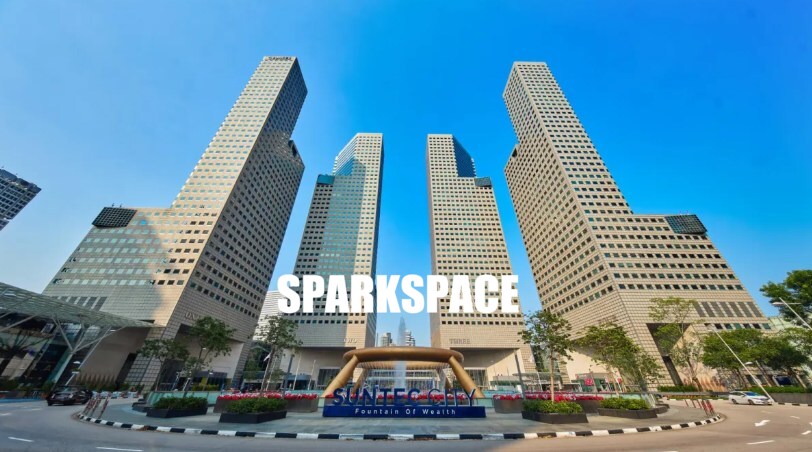
Even in a landlord's market, leverage windows open and close. Landlords are most flexible when a specific unit has sat vacant for several months, when a lease is approaching expiry and the leasing team needs to refill the floor, and towards the end of a financial quarter or year when targets must be hit. A unit that has been quietly available in a building like Suntec Tower 3 for six months carries far more negotiating room than a freshly listed floor in a fully occupied tower. Monitor the market, ask your tenant rep which units are "tired", and time your offer to land when the landlord needs the deal more than you do.
Strategy 6: Negotiate the Full Package
Rent is one line in a long list of costs, and the other lines are often more negotiable. Beyond the rent-free fitting-out period (aim for 2–3 months on a 3-year lease), put these on the table:
- After-hours air-conditioning: negotiate the rate and the minimum hours; for teams that work late this adds up fast
- Car park lots: ask for complimentary or discounted lots, and lock the rate for the term
- Rent-free fit-out: the most flexible lever in a tight market — aim for 2–3 months on a 3-year lease
- Reinstatement: this is almost always fixed to the landlord's bare (original) condition and is rarely waived or capped. The realistic win is pinning the exact scope in writing and commissioning a contractor pre-condition survey at handover, so you are not charged for "betterment" or pre-existing defects at lease end — this single obligation can run to $10–$30 psf
- Renewal: major landlords generally will not grant a rent cap on renewal — expect a renewal option at prevailing market rate. What you negotiate is securing the option itself and a realistic notice window (typically 6–9 months before expiry)
- Assignment and subletting: understand market practice before you sign — if you need to exit or downsize, it is the tenant who sources a replacement tenant at their own cost, usually by appointing a tenant representative to find one. Negotiate that subletting and assignment are permitted with the landlord's consent, and budget for that replacement-sourcing cost upfront
Strategy 7: Engage a Tenant Representative
A tenant representative knows the current achieved rents in each building, what incentives landlords are quietly granting this quarter, and how each landlord's leasing team negotiates. In Singapore, the landlord pays the agency commission — so professional representation is free to the tenant. The landlord is always represented by an experienced leasing manager whose job is to maximise the landlord's return; an unrepresented tenant is negotiating at a structural disadvantage. There is, quite literally, no financial downside to having an expert on your side of the table.
A Worked Example: Where the Savings Actually Came From
To make this concrete, here is an anonymised deal from recent advisory work — a growing SaaS company taking roughly 4,000 sq ft in a Tanjong Pagar Grade A tower in early 2026. The figures are illustrative of the structure, not a specific published transaction.
The opening offer: $12.00 psf gross, 3-year term, 1 month rent-free fit-out, standard reinstatement to the landlord's bare condition, after-hours air-con at the building's standard rate, car park lots charged at full rate. Total base commitment over the term: roughly $1.73 million.
The landlord would not move on the face rent — the market was simply too tight, and they needed to hold $12.00 for benchmarking against their other tenants. So we stopped pushing on the headline number and rebuilt the rest of the package:
- Rent-free extended from 1 to 3 months — two extra months of base rent waived, worth roughly $84,000 on this unit
- After-hours air-con rate reduced and the minimum-hours block removed — material for a team that routinely worked past 7pm
- Two car park lots included at no charge for the full term
- Reinstatement scope pinned in writing to the landlord's standard bare condition, with the appointed contractor's pre-condition survey agreed as the baseline — not a cap (landlords rarely give one), but it closed off any "betterment" dispute or surprise charge at lease end
- Renewal option secured with a realistic 6-month notice window, at prevailing market rate — the landlord would not cap it, so we locked in the right to renew rather than the price
The quoted rent never changed — it stayed $12.00 psf from first offer to signed lease. But the effective rent fell to roughly $11.10 psf on the back of the extra rent-free alone, and the tenant locked the reinstatement scope and renewal option so there were no surprises waiting at the back end of the lease. The headline looked identical to the landlord's other deals; the economics were materially better for the tenant. That is what winning looks like in a 2026 negotiation.
What Is Negotiable vs Fixed in 2026
Not every line item is equally flexible in a tight market. Direct your energy where it pays off:
| Lease Term | 2026 Flexibility | Where to Push |
|---|---|---|
| Face (headline) rent | Low | Accept the number; win elsewhere |
| Rent-free fit-out period | High | 1 extra month on a 3-yr lease |
| After-hours air-con | Medium | Rate + minimum hours |
| Car park lots | Medium | Free/discounted, rate locked |
| 5-yr step-up | Medium | Fixed dollar over market review |
| Reinstatement scope | Low | Fixed to bare condition; pin scope + survey |
| Renewal | Low | Option + notice; expect market rate, no cap |
| Assignment / subletting | Low | Permitted w/ consent; you source replacement |
| Security deposit | Low–Med | 2 mths if strong covenant |
Common Mistakes to Avoid
- Negotiating only the face rent: in 2026 the headline number is the least flexible item; the package is where the value is
- Starting too late: leaving the search to the final 2–3 months hands all the leverage to the landlord
- Bluffing a competing offer: leasing managers verify quickly, and a hollow threat destroys your credibility
- Ignoring reinstatement: it is fixed to bare condition and rarely waived — budget for it and pin the exact scope (with a handover survey) at the start of the lease, not in the final year
- Going unrepresented: the landlord pays the commission, so the only thing an unrepresented tenant saves the landlord is a tougher opponent
Negotiating well starts with knowing what the market rate actually is, which is set out district by district in our office rental cost guide. The clauses you will be negotiating against are explained in the office lease agreement guide, and the reinstatement exposure noted above is quantified in our guide to total office leasing costs.
Frequently Asked Questions
Can you still negotiate office rent in Singapore in 2026?
Yes, but the leverage has shifted. With CBD Grade A rents at a 17-year high and vacancy near record lows, most landlords hold firm on the headline rent. The real negotiation now happens on the package — a longer rent-free period, lower after-hours air-con rates, free or discounted car park lots, a fixed-dollar step-up on a 5-year lease, and clearer terms on reinstatement scope and renewal. A well-prepared tenant can still extract the equivalent of 5–15% off the effective rent without the landlord ever lowering the quoted psf.
How much can tenants typically save by negotiating?
On a well-run negotiation, the gap between the opening package and the final agreed package is typically 5–15% of total occupancy cost over the term — most of it from incentives rather than a lower face rent. On a 4,000 sq ft lease at $12 psf, that can amount to $80,000–$150,000 over a three-year term.
When is the best time to negotiate?
Start 6–9 months before expiry or move-in. Landlords are most flexible when a unit has sat vacant for months, towards the end of a financial quarter, and when you hold a genuine competing offer. Leaving it to the last 2–3 months removes your leverage entirely.
Should I use a tenant representative, and what does it cost?
Yes — the landlord pays the agency commission, so tenant representation is free to you. A tenant rep knows the current achieved rents, the incentives landlords are quietly granting, and which clauses are genuinely negotiable. Because the landlord is professionally represented, an unrepresented tenant is at a structural disadvantage.
What is more negotiable than the headline office rent?
The most flexible items are the rent-free fit-out period, after-hours air-conditioning rates, car park lots and rates, and the fixed-dollar rental step-up on a 5-year lease. Reinstatement is usually fixed to the landlord's bare condition, so the win there is pinning the scope in writing and commissioning a pre-condition survey rather than securing a cap. Renewal is typically offered at prevailing market rate — major landlords rarely accept a rent cap — so focus on locking in the option and a realistic notice period. And if you may need to exit early or sublet, plan for market practice: the tenant sources a replacement at their own cost, usually through a tenant representative.
Buildings Where We Negotiate for Tenants
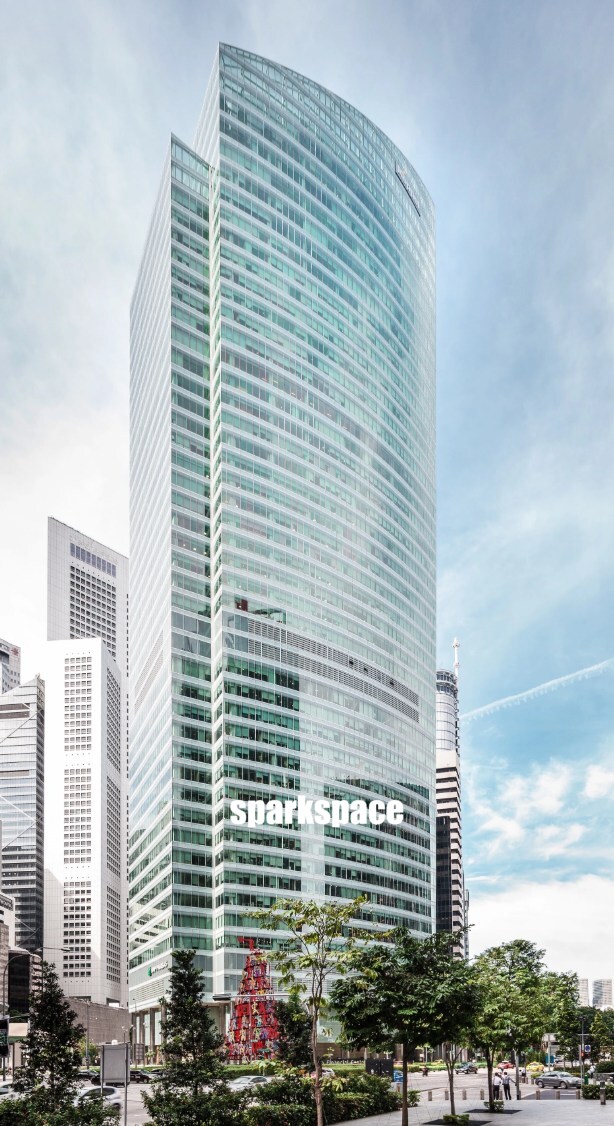
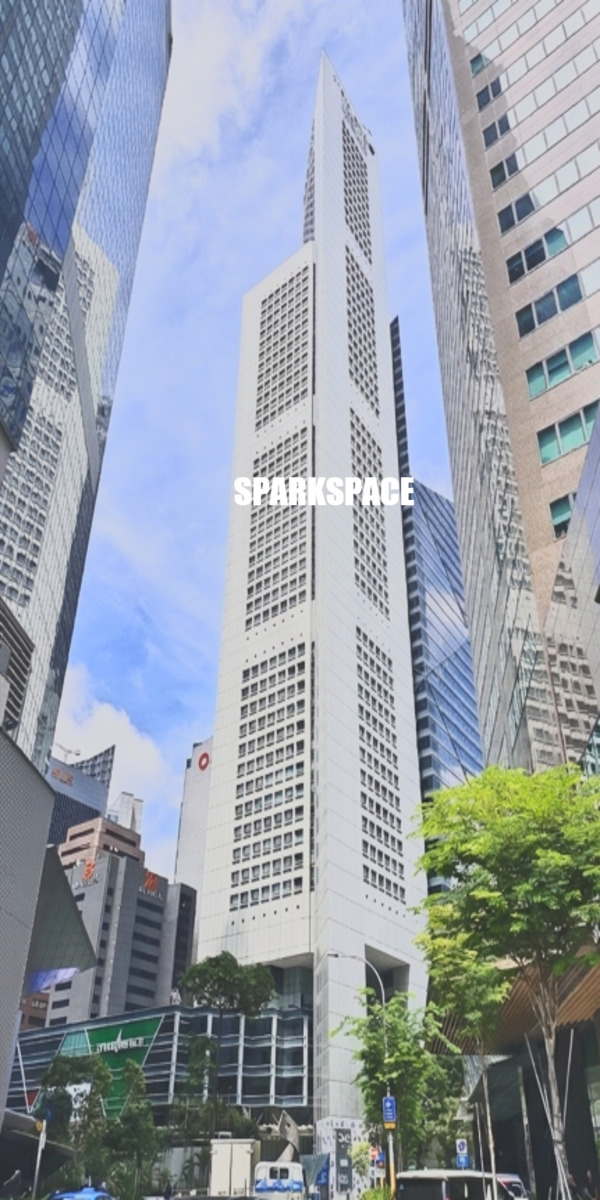
Browse current rental rates, floor plans, and available units across these prominent CBD office buildings — each backed by SparkSpace's listing data and on-the-ground tenant advisory. We negotiate the full package, not just the headline rent.

Negotiating Your Next Office Lease?
SparkSpace provides free tenant advisory — we shortlist suitable spaces, secure competing offers, and negotiate the full package so you don't leave money on the table. Free for tenants.
Sources: CBRE and JLL Singapore office market commentary (2026), URA commercial property guidelines, CEA practice guidelines for commercial leasing, SparkSpace advisory data (200+ tenant engagements 2016–2026). Worked example is anonymised and illustrative of deal structure.