
After rent, the office fit-out is typically the largest upfront expense a tenant will face. For a 3,000 sq ft office in Singapore's CBD, construction costs alone can range from $150,000 for a basic setup to well over $450,000 for a premium build-out — and that is before furniture, IT infrastructure, and the professional fees. Yet many businesses begin the process without a clear picture of what drives these costs or where the biggest savings are available.
After guiding over 200 tenants through the leasing and fit-out process — from startups taking their first 1,000 sq ft unit in Tai Seng Exchange to multinationals fitting out full floors in One Raffles Place Tower 1 — I have put together this guide to help tenants budget accurately, avoid hidden costs, and make informed trade-offs between quality and spend.
Understanding Fit-Out Tiers: What Each Level Gets You
Office fit-outs in Singapore fall into three broad tiers. The right choice depends on budget, lease duration, client-facing requirements, and brand expectations. A longer lease justifies higher fit-out spend because the cost is amortised over more years.
Basic Fit-Out: $50–$70 psf
A basic fit-out covers the essentials: drywall partitioning for meeting rooms and private offices, standard ceiling tiles, basic lighting upgrades, carpet tiles, minimal electrical and data points, and a simple pantry with dry provisions. This tier suits back-office operations, early-stage startups, and short-term leases of 2 years or less where capital preservation is the priority.
For a 3,000 sq ft space, expect to spend $150,000–$210,000 on construction. Buildings where basic fit-outs are common include 80 Robinson Road, Bangkok Bank Building, and Anson House — typically Grade B or older Grade A addresses where tenants prioritise function and cost efficiency over finishes.
Mid-Range Fit-Out: $80–$120 psf
This is the sweet spot for most Singapore businesses. A mid-range fit-out includes glass partitions for meeting rooms, upgraded LED lighting with dimmers, a reception feature wall, engineered timber or premium carpet flooring, a properly equipped pantry with plumbing, built-in storage and filing, and structured cabling for network and telephony.
For a 3,000 sq ft space, budget $240,000–$360,000. This is the most common tier for professional services firms, tech companies, and regional headquarters leasing in buildings like Frasers Tower, Capital Square, or Ocean Financial Centre. The result is a workspace that presents well to clients and staff without excessive capital outlay.
Premium Fit-Out: $130–$180+ psf
Premium fit-outs are designed to make an impression. Full-height frameless glass partitions, custom joinery and millwork, designer lighting, premium stone or timber finishes, bespoke reception counters, integrated AV systems in every meeting room, acoustic treatment, and biophilic design elements such as living walls and planter features.
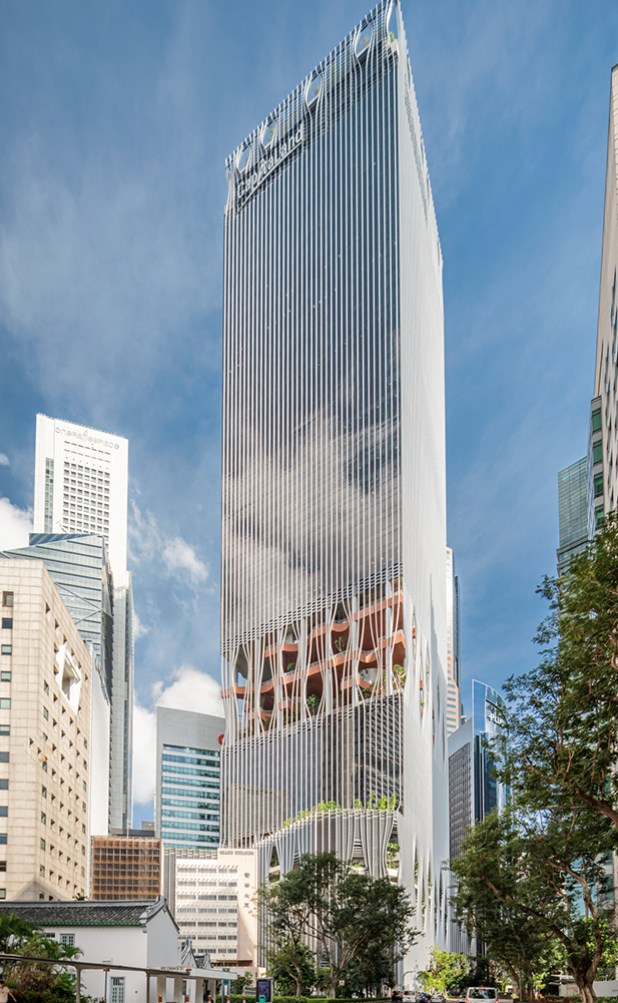
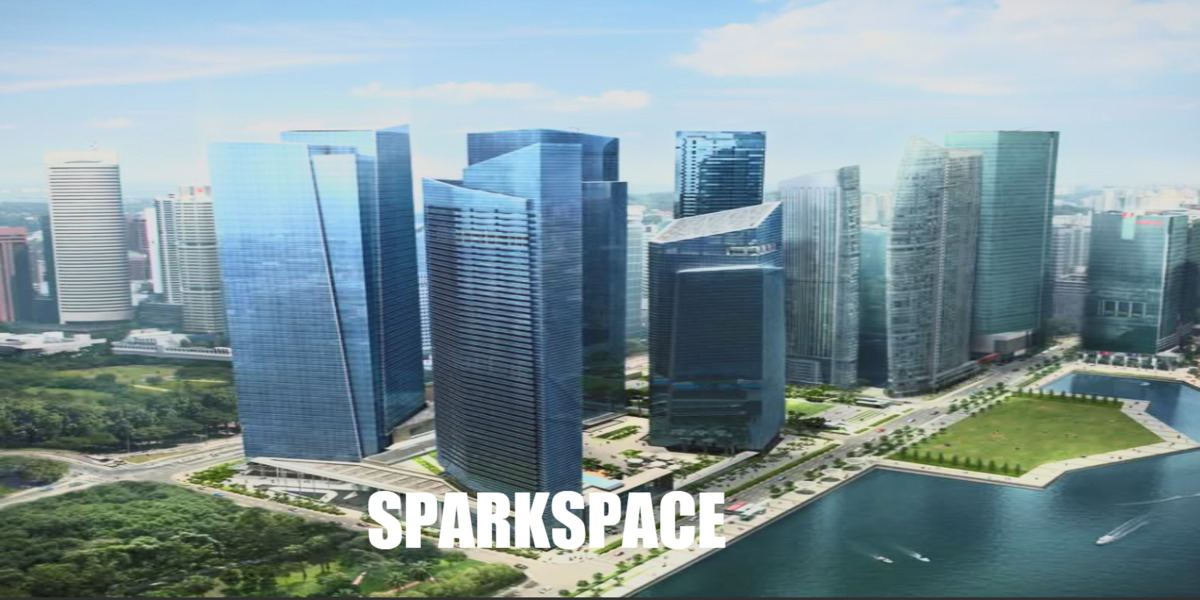
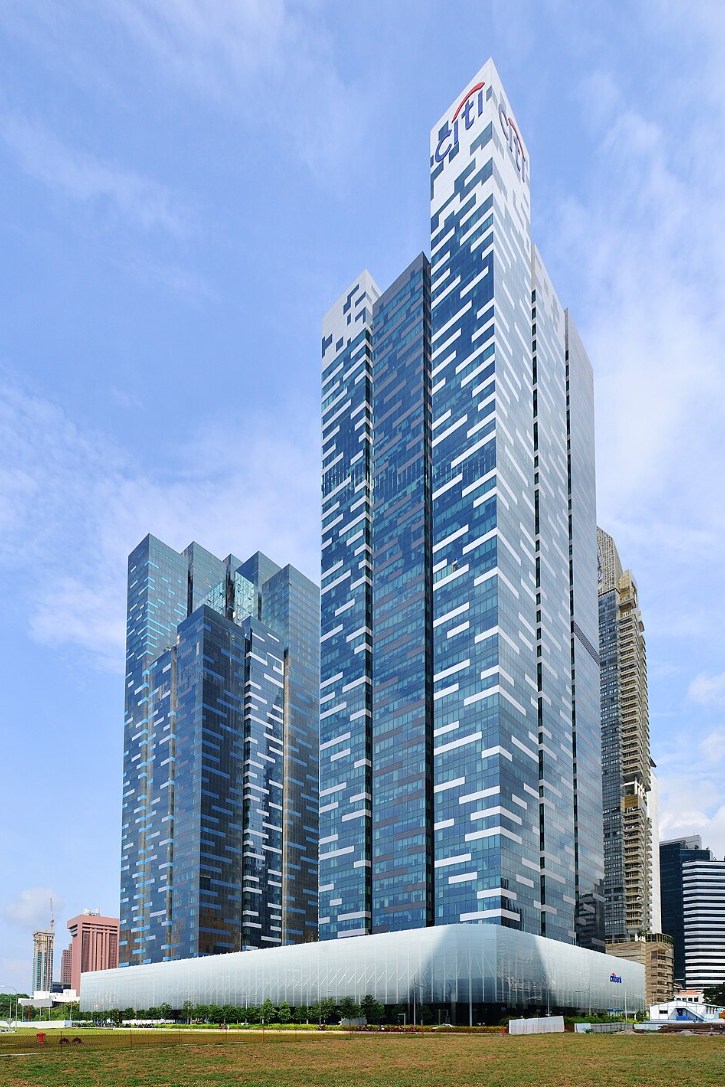
For a 3,000 sq ft space, expect $390,000–$540,000+. Financial institutions, law firms, and global headquarters in CapitaSpring, Marina Bay Financial Centre T1, or Asia Square Tower 1 typically invest at this level. At this price point, the fit-out needs to match the prestige of the address and the expectations of clients and partners walking through the door.
Cost Breakdown by Category
Understanding where the money goes allows tenants to make targeted trade-offs. Here is a typical breakdown for a mid-range office fit-out in Singapore:
| Category | % of Budget | Cost per sq ft | Notes |
|---|---|---|---|
| Partitioning & Doors | 20–25% | $16–$30 | Glass partitions cost 2–3x drywall |
| Flooring | 10–15% | $8–$18 | Carpet tiles cheapest; timber/stone premium |
| Ceiling & Lighting | 15–20% | $12–$24 | Exposed ceiling saves cost but needs more lighting |
| M&E (Electrical, Data, AC) | 20–25% | $16–$30 | Largest variable — depends on AC redistribution |
| Carpentry & Joinery | 10–15% | $8–$18 | Reception desk, built-in cabinets, pantry |
| Painting & Finishes | 5–8% | $4–$10 | Feature walls add cost; standard paint is minimal |
| Professional Fees | 8–12% | $6–$14 | ID/architect, M&E engineer, project management |
Hidden Costs Most Tenants Miss
The interior designer's quotation rarely captures the full picture. These line items are routinely excluded from the ID scope and catch tenants off guard.
Building Management Fees
Most Grade A buildings charge a refundable renovation deposit ($5,000–$20,000) and a non-refundable administration fee ($2,000–$5,000) before fit-out works can commence. Buildings like CapitaGreen and Guoco Tower also require contractors to carry specific insurance coverage — a cost your contractor will pass through to you.
After-Hours Air-Conditioning
If the fit-out timeline requires weekend or evening work — and most do — after-hours air-conditioning must be booked through building management. Rates range from $80–$250 per hour depending on the building. Over an 8-week construction period with regular weekend work, this can add $5,000–$15,000 to the budget.
IT Infrastructure
Structured cabling, network switches, server room cooling, Wi-Fi access points, and AV equipment for meeting rooms are almost always excluded from the interior designer's scope. Budget an additional $15–$30 psf for IT infrastructure on top of the fit-out cost. This is one of the most common blind spots — tenants are surprised when the IT vendor's quotation arrives weeks after the ID contract is signed.
Furniture
Fit-out quotes typically exclude loose furniture. For a standard office with workstations, task chairs, meeting tables, and a lounge area, budget an additional $20–$40 psf. Premium ergonomic ranges (Herman Miller, Steelcase) can push this to $50+ psf. Singapore has a healthy market for quality refurbished office furniture — mixing new and second-hand is a practical way to reduce the furniture line item without compromising on quality at the workstation level.
Director's Note: I always advise clients to get the IT vendor involved during the design phase, not after construction starts. Discovering that additional floor boxes or ceiling-mounted data points are needed after the carpet and ceiling are installed means ripping them out and redoing them — easily $10,000–$20,000 of avoidable rework.
Bare vs Fitted: How Starting Condition Affects Your Budget
The condition of the space at handover has a significant impact on fit-out spend.
Bare Unit (Shell & Core)
The tenant starts with concrete floors, exposed ceiling, and basic M&E provisions. Everything needs to be built from scratch. This is the most expensive starting point but offers complete design freedom. Newer buildings like Keppel South Central often hand over units in bare condition, and the landlord may offset the higher build cost with a longer rent-free fit-out period.
Previously Fitted Unit
If the departing tenant's fit-out is in good condition and suits the incoming tenant's layout, it may be possible to negotiate a takeover — potentially saving 30–50% of the fit-out budget. This is common in buildings like Samsung Hub, 112 Robinson, and Robinson 77 where regular tenant turnover creates opportunities to inherit quality fit-outs.
However, taking over a fit-out carries risk: hidden defects behind walls, outdated M&E systems, and aesthetics that do not align with the incoming brand. Always commission a building surveyor's inspection ($2,000–$3,000) before committing to any fit-out takeover.
Landlord-Provided Fit-Out
Some landlords offer a "fitted" or "warm shell" handover — basic partitioning, carpet, standard lighting, and a pantry already in place. This is increasingly common in newer buildings competing for tenants. The quality varies, but it can reduce capital outlay by $30–$50 psf. The trade-off is limited customisation.
Saving Money Without Cutting Corners
Prioritise Client-Facing Areas
Concentrate the premium finishes where they matter most — reception, the main meeting room, and any spaces clients or partners will see. Use standard-grade materials for back-of-house areas, storage rooms, and internal corridors. A $5,000 feature wall at reception creates more impact than $50,000 of upgraded flooring throughout the entire office.
Retain and Reuse Where Possible
Ceiling tiles, light fittings, raised flooring, and air-conditioning ducting from the previous occupant can often be retained even during a substantial renovation. Selectively keeping these elements intact can save $10–$20 psf.
Get Three Competitive Quotes
Always obtain at least three quotations from established ID firms with demonstrable commercial fit-out experience. Residential interior designers are not a substitute — commercial fit-outs involve fire safety compliance, building management coordination, and M&E engineering that residential designers rarely handle. Ask for recent references from projects in similar-grade buildings.
Design with Reinstatement in Mind
Every dollar spent on fit-out is a dollar that may need to be spent again on reinstatement at lease end. Design with this in mind: use modular partition systems instead of fixed walls where possible, avoid cutting into the building slab for drainage, and minimise permanent alterations to the landlord's base build. This discipline is especially important for shorter leases of 2–3 years where the amortised fit-out cost per year is already high.
Consider Not Fitting Out At All
The cheapest fit-out is the one you never pay for. A serviced office comes furnished, cabled and ready to occupy on a monthly licence, so the entire capital cost in this guide, along with the reinstatement liability at the end, sits with the operator rather than with you. For a team of under about 30 people on a two-year horizon, the arithmetic frequently favours it: a $150,000 fit-out amortised over 24 months is $6,250 a month before you have paid a dollar of rent. Run that comparison before you commission a design.
Fit-Out Timeline: What to Expect
A realistic fit-out timeline for a 3,000 sq ft mid-range office:
- Weeks 1–2: Design briefing, space planning, concept development
- Weeks 3–4: Detailed design, contractor quotation, building management submission
- Weeks 5–6: Building management approval (allow 2–3 weeks; some buildings take longer)
- Weeks 7–14: Construction phase (6–8 weeks for a mid-range fit-out)
- Week 15: Final inspection, defect rectification, handover
Total: approximately 12–16 weeks from design kick-off to move-in. Larger spaces (10,000+ sq ft) or premium fit-outs with custom joinery can take 20–24 weeks. Start the design process as soon as the Letter of Offer is signed — do not wait for the Tenancy Agreement.
Director's Note: The most common cause of fit-out delays is building management approval. Every building has its own submission requirements, approved contractor lists, and work-hour restrictions. I have seen approvals take as long as 5 weeks in stricter CBD buildings. Before engaging an ID firm, confirm they have prior experience with your specific building's management requirements — it will save weeks.
Fit-Out Costs by District and Building Type
Fit-out construction costs themselves do not vary significantly by district — the same contractor charges similar rates whether the project is in Raffles Place or Paya Lebar. However, building management fees, access restrictions, and approval timelines differ materially:
- CBD (Districts 1–2): Stricter building management, longer approval timelines, higher renovation deposits. Buildings like One Raffles Place Tower 2 and Republic Plaza have detailed fit-out guides that must be followed precisely.
- City fringe (Districts 3, 7–8): Generally more flexible on timing and contractor choice. Buildings like Galaxis and Nucleos in one-north have streamlined approval processes tailored to tech tenants who renovate frequently.
- Decentralised (Changi, Jurong, Paya Lebar): Most flexible overall. Buildings like Paya Lebar Quarter Tower 1 and ONE @ Changi City tend to have the fastest approval turnarounds and fewest restrictions on working hours.
For more detail on project management and timelines, see our Fit-Out Costs 2026 resource page and Project Timeline guide. The rent side of the same decision is set out in our office rental cost guide by district, and because fit-out spend is largely determined by the reinstatement clause you agree to, it is worth reading alongside our office lease agreement guide.
Browse Office Buildings by Fit-Out Context
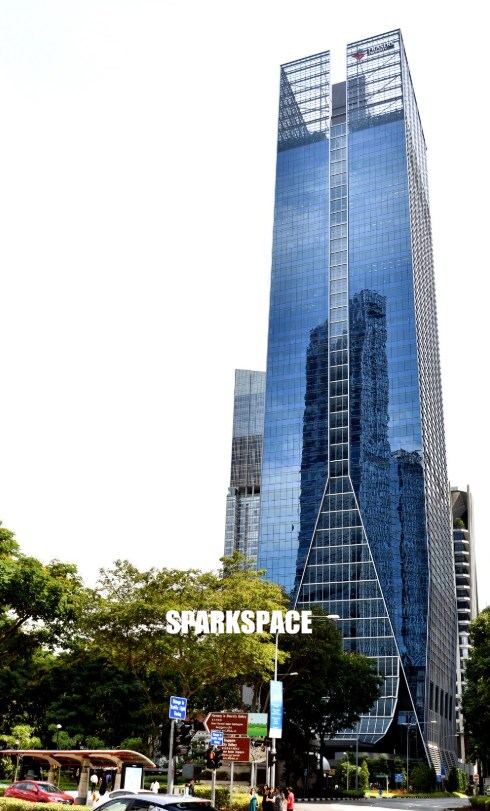
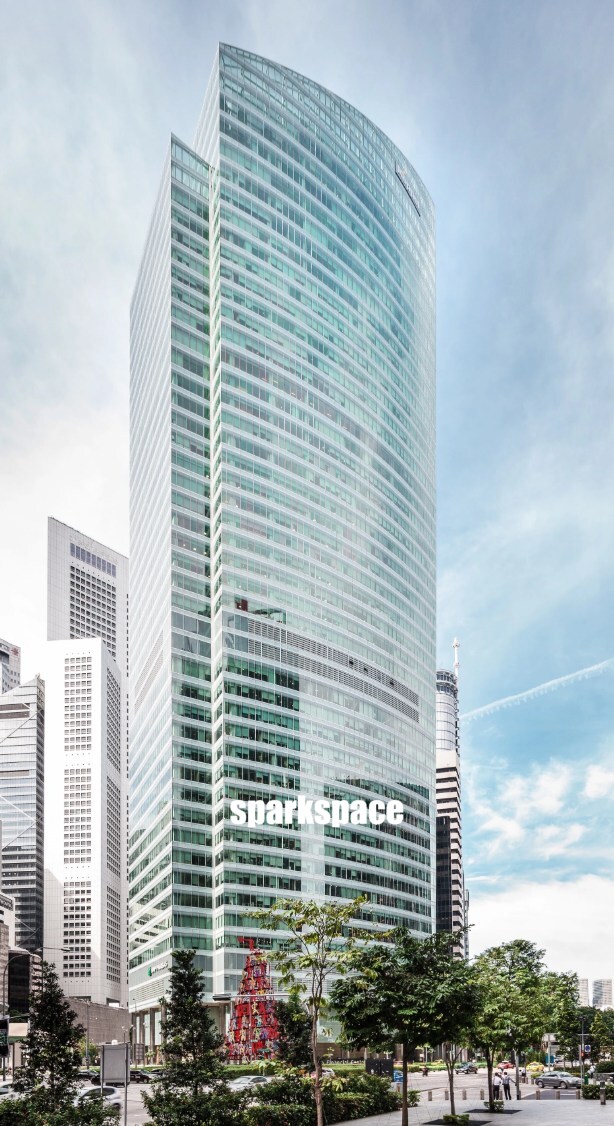
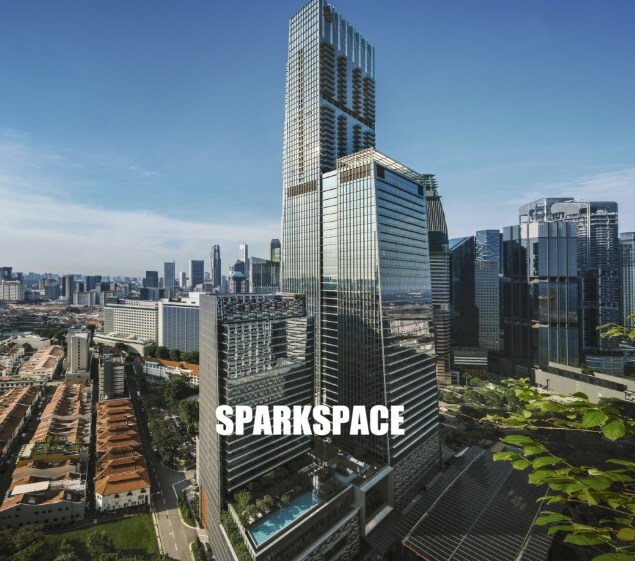
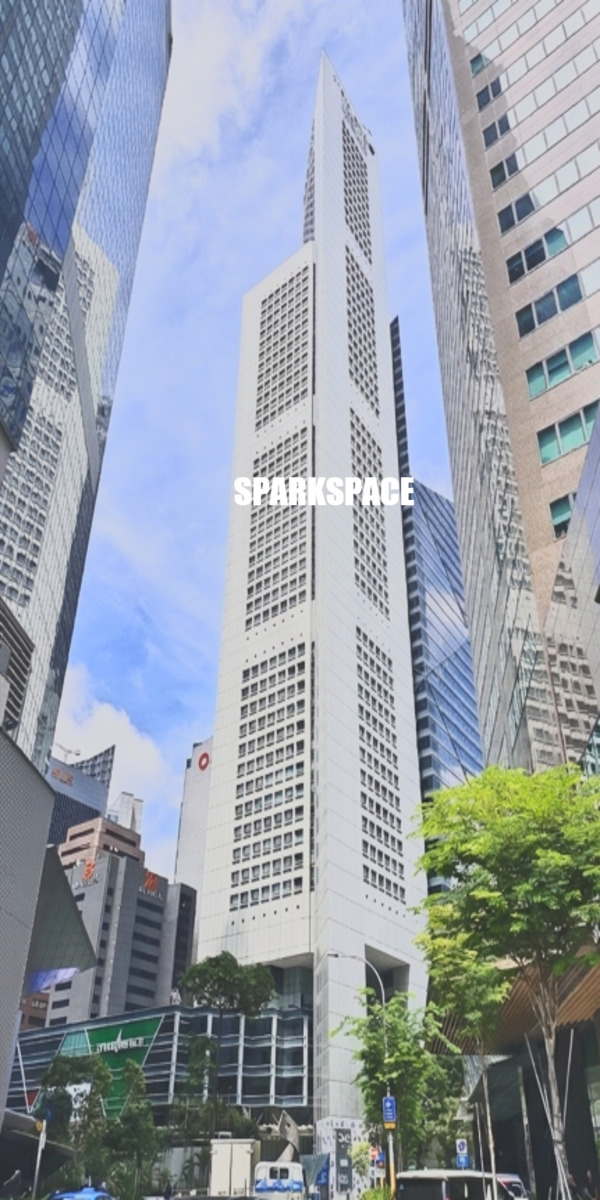
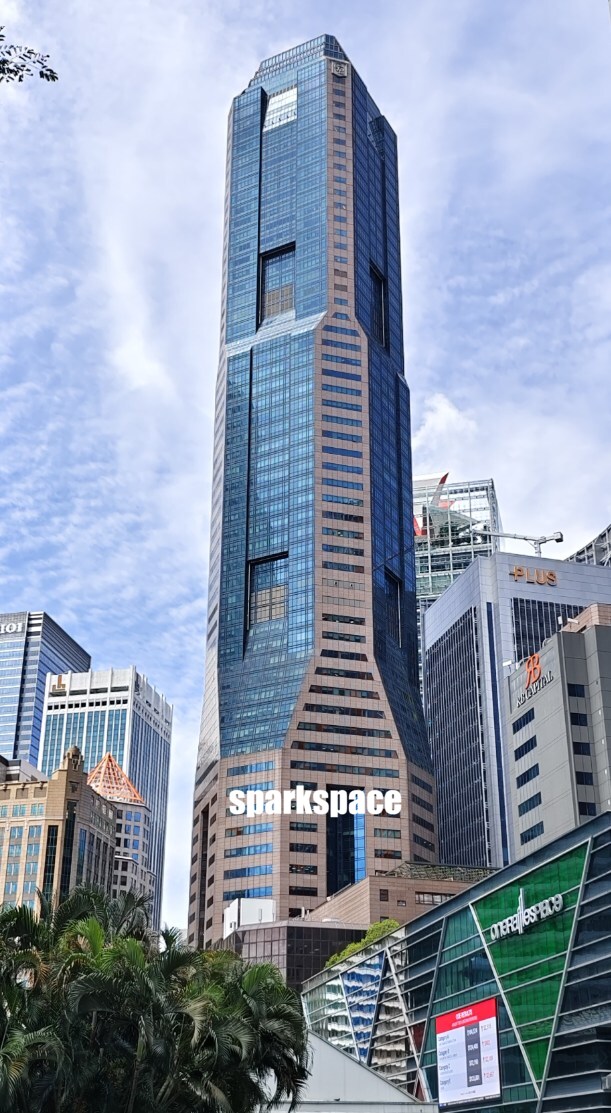
Whether you are planning a basic, mid-range, or premium fit-out, browse current rental rates and available units across these Singapore office buildings — each with SparkSpace's on-the-ground advisory.
Planning Your Office Fit-Out?
SparkSpace provides free tenant advisory on budgeting, timelines, and lease negotiation — from office search to move-in day.
Sources: BCA construction cost data 2025–2026, SISV Valuation Standards, SparkSpace advisory data (200+ tenant engagements), Singapore ID industry benchmarks.