The definition of a "workspace" in Singapore has undergone a radical transformation. For decades, the ultimate symbol of corporate arrival was a gleaming, high-floor office in the Central Business District. However, the rise of deep tech startups, advanced robotics firms, and massive e-commerce operations has fundamentally shifted real estate demands.
For technical founders and operations directors, a traditional commercial office often presents more limitations than advantages. Ceilings are too low for hardware research. Floor loading capacities cannot support automated inventory systems. And the per-square-foot (PSF) rental costs in Grade A CBD buildings consume capital that should be deployed toward engineering.
Enter the B1 Light Industrial space — the real estate arbitrage that Singapore's most operationally savvy companies are quietly exploiting.
What Is B1 Light Industrial Zoning in Singapore?
The Urban Redevelopment Authority (URA) categorises industrial properties into zones based on their environmental impact and permitted uses. B1 zoning is specifically designated for "Clean and Light" industrial activities — a category that maps almost perfectly onto the operational needs of the modern tech economy.
Unlike B2 (General Industrial) spaces, which accommodate heavy manufacturing with significant noise and pollution considerations, B1 spaces are integrated much closer to residential and commercial nodes. Permitted core uses under B1 zoning include:
- Software development and e-business operations
- Media production and broadcast studios
- Light assembly, robotics testing, and R&D
- E-commerce fulfilment and last-mile logistics
- Data centre and server infrastructure
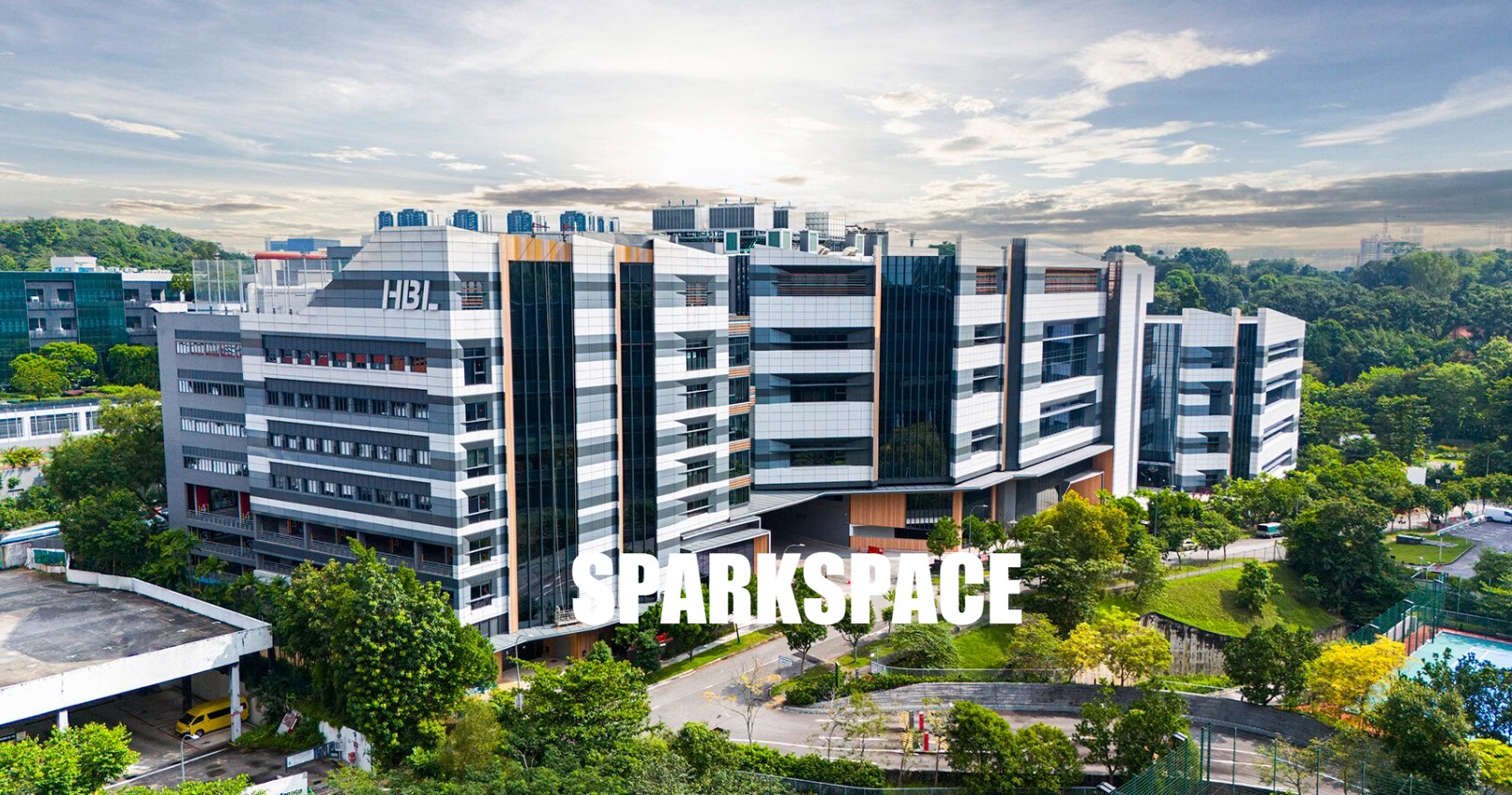
Modern B1 high-spec buildings often feature sleek corporate-grade facades that rival traditional office buildings — but conceal heavy-duty structural infrastructure behind their glass exteriors.
Decoding the URA 60/40 Rule — The Most Critical Compliance Requirement
This is the section most tenants get wrong, and where many companies run into costly compliance issues. If you are considering a B1 space, the URA 60/40 rule is non-negotiable and must be understood before you sign a single Letter of Intent.
The rule mandates that at least 60% of the total gross floor area (GFA) you occupy must be dedicated to core, permitted industrial activities. Only the remaining 40% can be used for ancillary office or administrative purposes.
The URA enforces this rule to prevent industrial buildings — which carry lower land costs and thus lower rents — from being converted into standard commercial offices, which would undercut the commercial office market and violate the fundamental intent of industrial land use.
What Counts as Your Permitted 60% Core Use?
The core 60% must be demonstrably industrial in nature. For tech and e-commerce firms, the following spaces qualify:
- Server rooms and data infrastructure bays — dedicated racks, cooling systems, UPS units
- Hardware R&D labs and prototyping workshops — engineering benches, testing rigs, cleanrooms
- E-commerce fulfilment zones — warehousing racks, packing stations, inventory management areas
- Coding and software development bays — when purpose-built and clearly separated from general admin
- Media production and broadcast studios — soundproofed recording and editing suites
- Robotics testing floors — including drone testing areas and automated assembly lines
What Is Restricted to the 40% Ancillary Use?
The remaining 40% is where your standard office functions live:
- General administrative offices (HR, finance, legal, sales)
- Meeting rooms, boardrooms, and client entertainment spaces
- Staff pantries, lounge areas, and recreational spaces
- Reception counters and visitor waiting areas
A common mistake is assuming that open-plan hot-desking areas for software engineers qualify as core industrial use simply because engineers work there. Unless the space is explicitly fitted out as a software development bay — with dedicated workstation infrastructure, network server connections, and clear demarcation from general admin — the URA auditor may classify it as ancillary office space.
What Happens If You Fail a URA Audit?
Non-compliance with the 60/40 rule carries serious consequences. The URA can issue a Written Direction requiring rectification within a stipulated timeframe. Persistent non-compliance can result in financial penalties, lease termination at the JTC's discretion, and reputational damage that affects your ability to lease industrial space in future. Before fitting out any B1 space, your architectural layout must clearly delineate the core and ancillary zones, and you should obtain a Change of Use approval and Fire Safety Certificate (FSC) that reflects the intended 60/40 split.
Practical Compliance Tip
Work with your interior designer and architect to produce a colour-coded floor plan that explicitly labels each zone as "Core Industrial Use" or "Ancillary Office Use" with square footage calculations. Present this to your landlord during the Letter of Intent stage — it demonstrates due diligence and protects both parties in the event of a URA inspection.
The Cost Arbitrage: Why B1 Makes Financial Sense in 2026
The PSF rental rates for B1 spaces — even those in highly desirable city-fringe locations — are significantly lower than comparable commercial office spaces. While Grade A CBD offices currently command $12 to $18 PSF, premium B1 high-spec spaces in locations like Kallang, Pasir Panjang, and Tai Seng range from $3.50 to $5.50 PSF. Our district-by-district office rental cost guide sets out the commercial benchmark those figures are being measured against.
The practical implication: a company paying $25,000 per month for a 2,000 sq ft CBD office could lease a 6,000 sq ft B1 high-spec space for a similar or lower monthly commitment — tripling their operational footprint while improving structural capability.
For e-commerce operations and deep tech firms, this is not a peripheral consideration. It is a strategic capital allocation decision.
Structural Advantages: What to Look for When Evaluating a B1 Space
Floor Loading Capacity
A standard commercial office typically offers floor loading of 2.5 to 4.0 kN/sqm. B1 spaces generally start from 7.5 kN/sqm, with ground-floor units supporting up to 15 kN/sqm or more. This is critical for server rack deployments, automated shelving systems, and heavy prototype testing equipment.
Ceiling Height
While CBD offices average 2.8 metres floor-to-ceiling, B1 spaces routinely offer 4 to 6 metres — essential for proper server room ventilation, vertical storage optimisation, and robotics testing clearance.
Freight and Logistics Infrastructure
For businesses that move physical goods, loading bay access, freight lift capacity, and vehicular ramp-up access are non-negotiable. Evaluate these before viewing the unit itself — no amount of interior fit-out can compensate for a building that cannot receive a 10-tonne delivery truck.
Strategic Location: Matching Your B1 Space to Your Business Model
Singapore's B1 and Business Park clusters each serve distinct operational profiles.
Kallang / Lavender — Ideal for e-commerce and last-mile logistics. Close proximity to the city core ensures fast delivery times. Excellent public transport access for warehouse staff.
Pasir Panjang — Emerging as a high-spec industrial hub with excellent port connectivity. Particularly suited for firms with regional supply chain operations.
Tai Seng — A mature B1 high-spec corridor popular with creative technology firms, media companies, and light manufacturing operations.
One-North / Alexandra — Singapore's purpose-built knowledge economy district. Business Park zoning here is tailored for biotech, software, and advanced engineering firms seeking ecosystem proximity and Grade A infrastructure.
Changi Business Park / Jurong IBP — Decentralised hubs offering larger floor plates at more competitive rates, suited for back-office technology operations and regional headquarters.
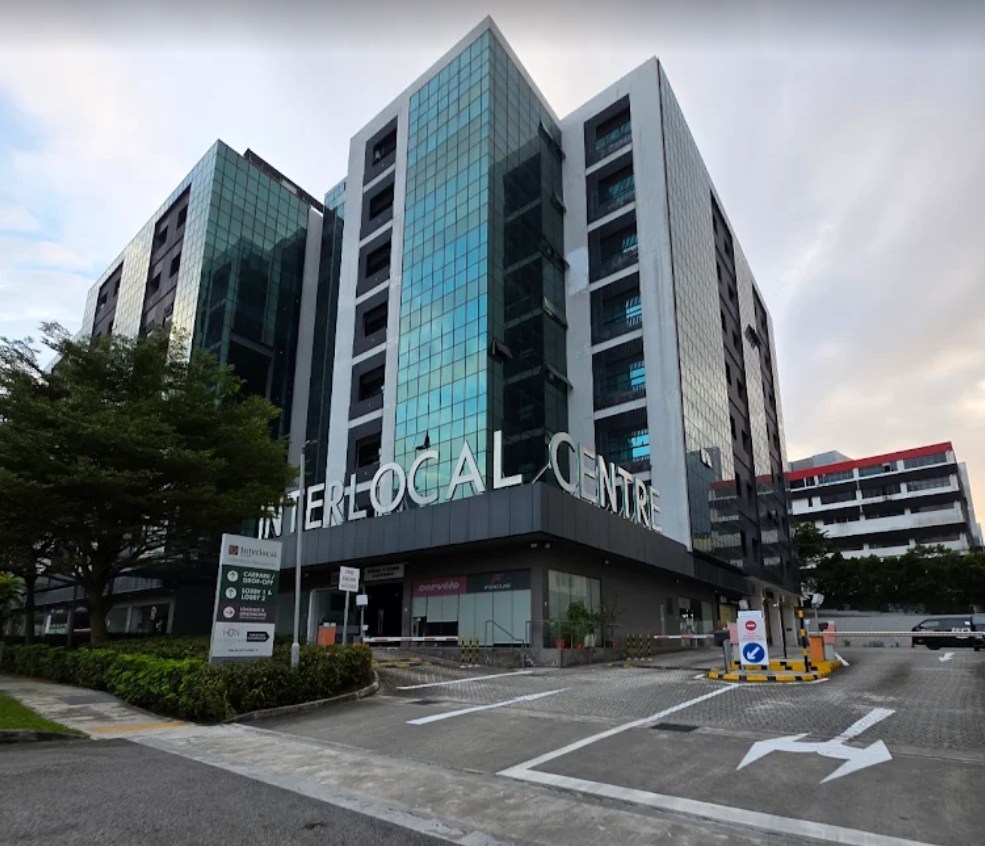
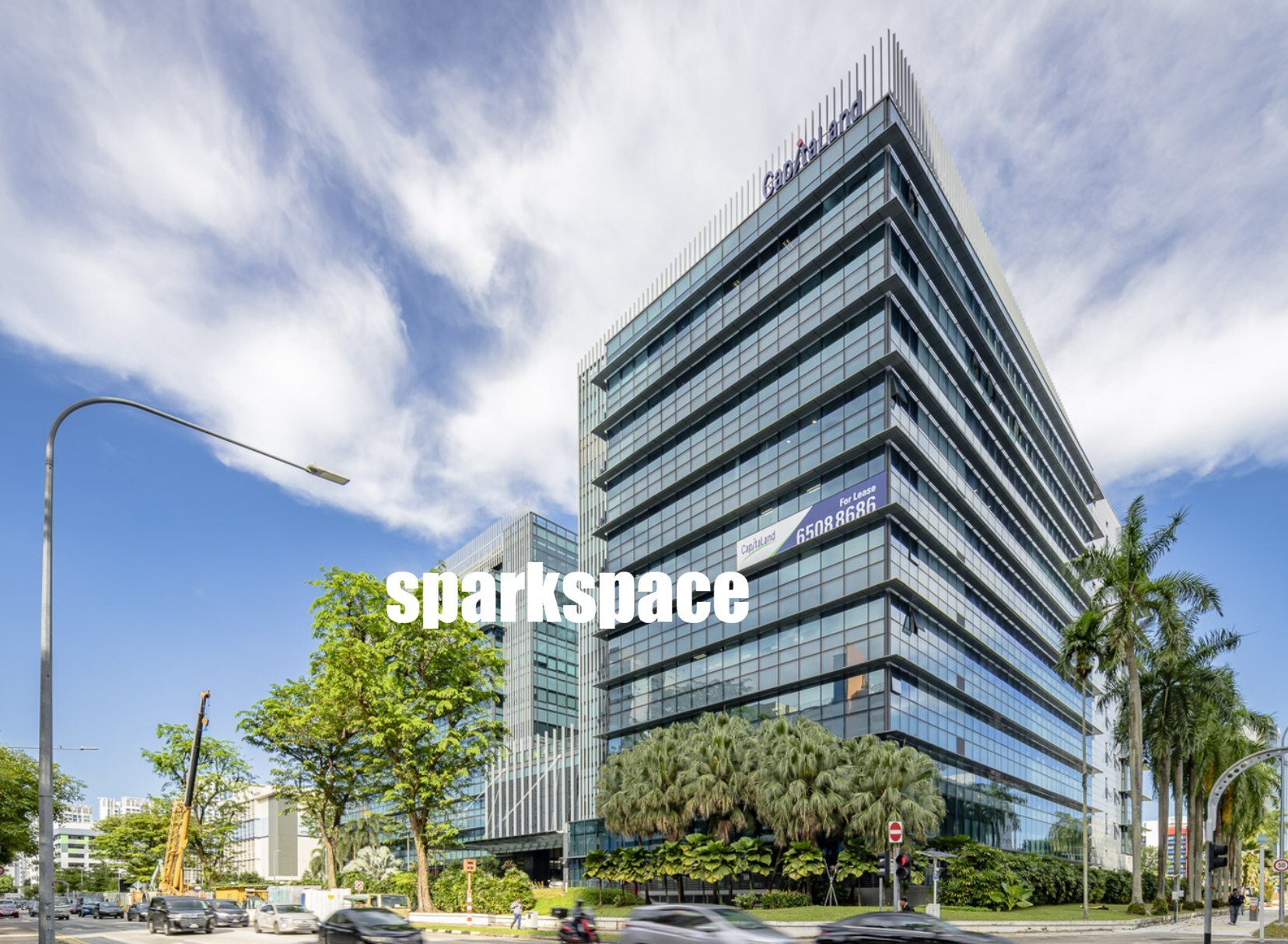
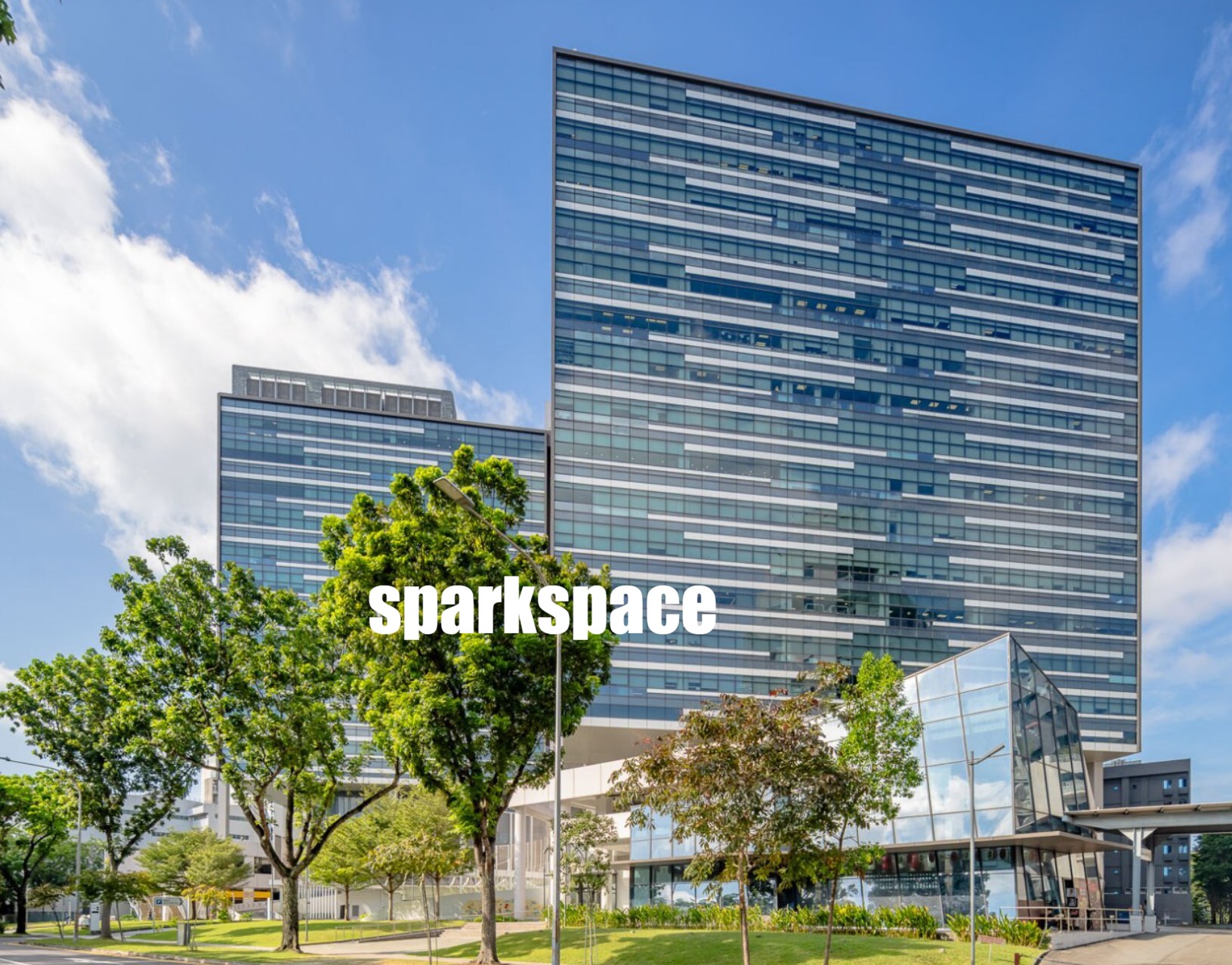
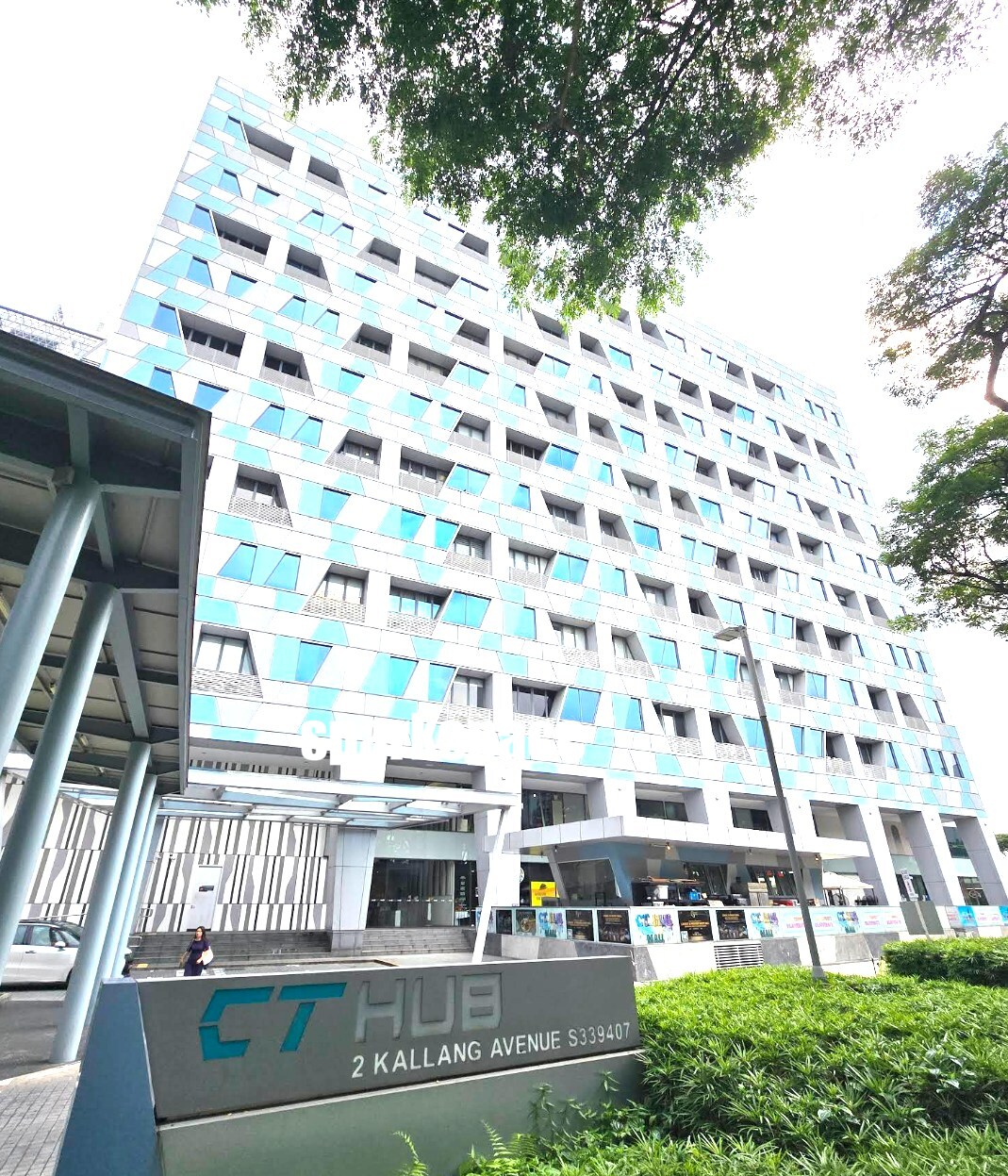
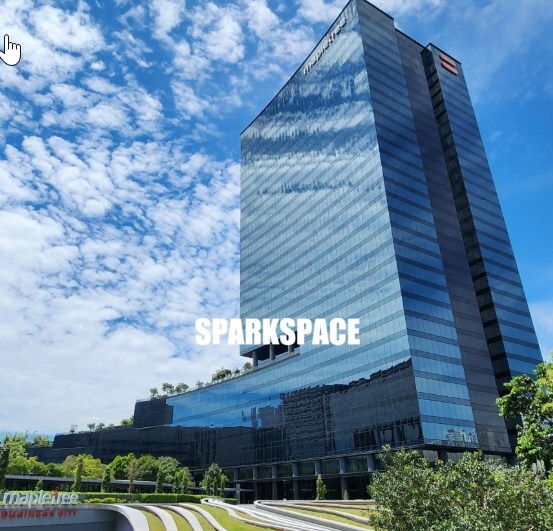
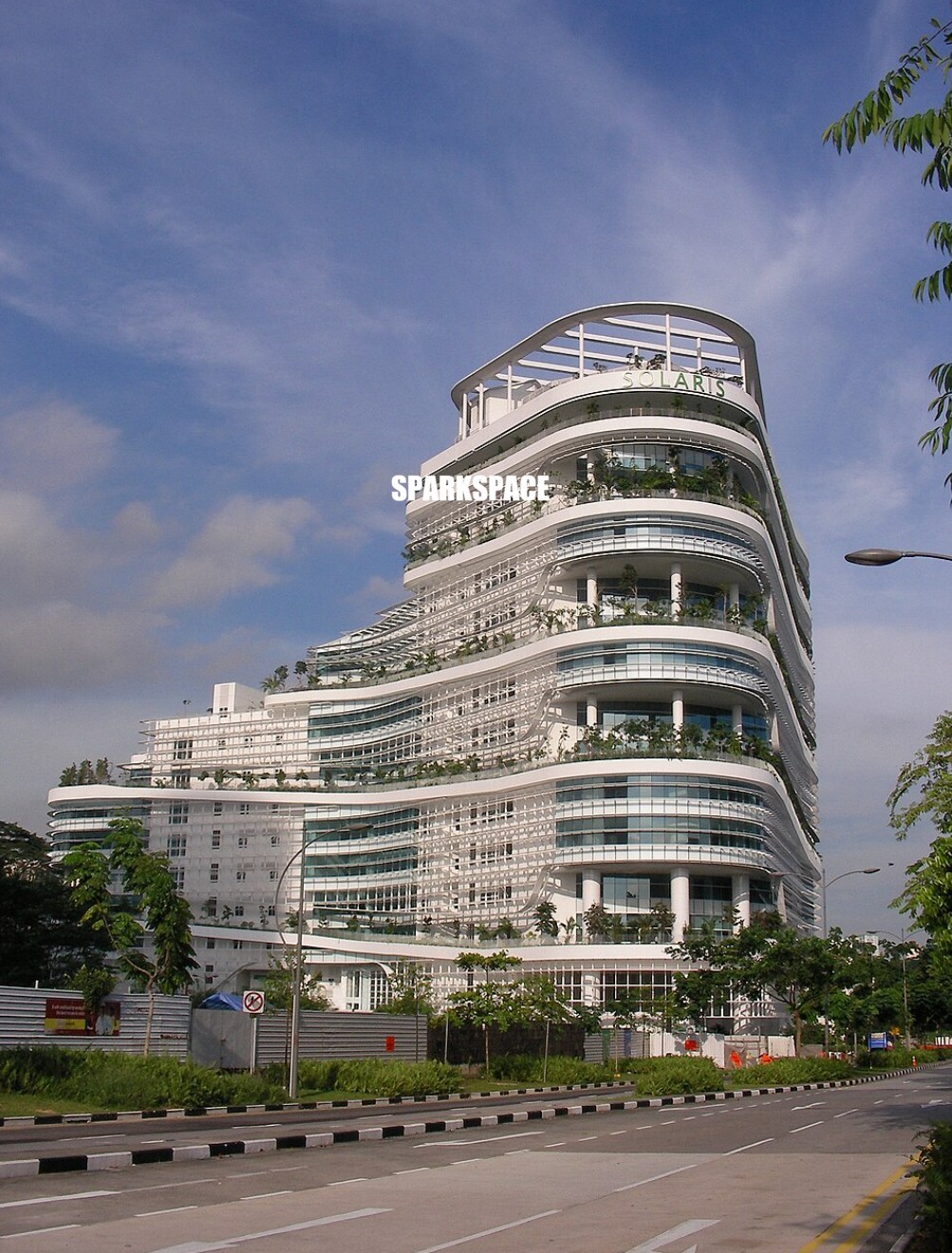
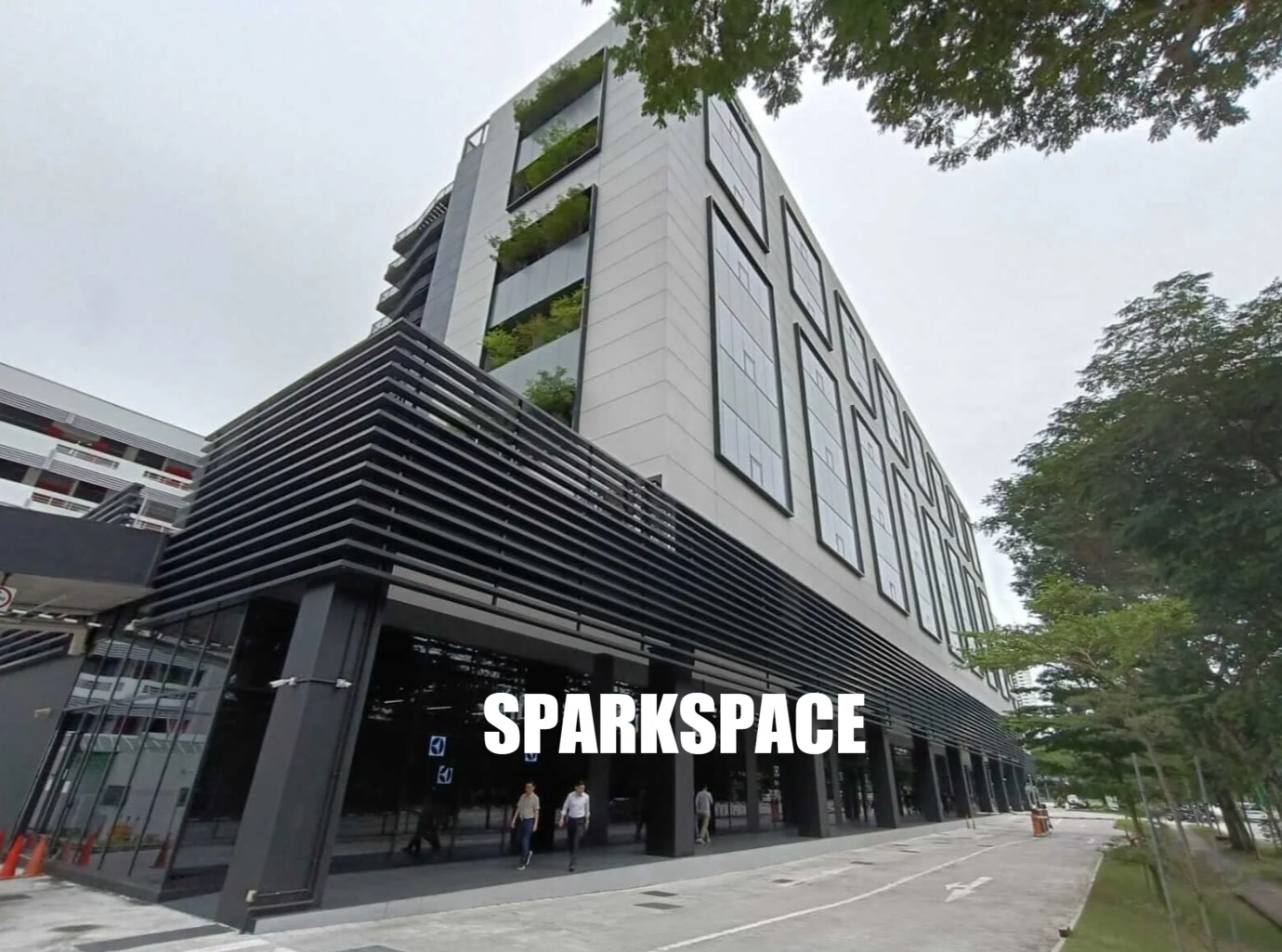
Featured B1 and Business Park Spaces on SparkSpace
Based on current availability and tenant enquiries, here are the most compelling B1 and Business Park spaces in our directory for 2026:
Navigating B1 Leasing in 2026 — Final Advisory Notes
The B1 market in Singapore is evolving rapidly. Post-pandemic demand from e-commerce, logistics technology, and deep tech has compressed vacancy rates in premium B1 high-spec buildings, particularly in the Kallang, Pasir Panjang, and Tai Seng corridors. Tenants who move quickly and with clear 60/40 compliance documentation consistently secure better terms.
Before committing to a B1 space, ensure the following:
- Engage a URA-familiar architect to produce a compliant floor plan before signing
- Verify the building's approved use with JTC or the private landlord
- Confirm freight lift and loading bay specifications match your operational requirements
- Check the building's power supply capacity — particularly for server room deployments
- Factor in the fit-out timeline, as B1 spaces typically require more extensive renovation than bare shell commercial offices. Our office fit-out cost guide covers realistic budgets and lead times
Two further guides are worth reading before you sign. The clauses that decide who pays for what (reinstatement, escalation, the rent-free period) are set out in our office lease agreement guide, and the levers you can actually move are in how to negotiate office rent in Singapore. Both apply to B1 tenancies as much as to commercial ones.
At SparkSpace, our advisory is structured around helping technical founders and operations teams find spaces that match their actual operational blueprint, not just their headcount.

Jeremy is a 6-Time Platinum Award Winner and 2024 Rising Millionaire with over a decade of experience placing tech firms, MNCs, and growing businesses into the right commercial and industrial spaces across Singapore. He advises exclusively on behalf of tenants.
Looking for a B1 or Business Park Space in Singapore?
Explore our full directory of B1 and Business Park spaces, or contact Jeremy Lim directly to discuss your requirements.
Sources: Urban Redevelopment Authority (URA) Master Plan; JTC Corporation industrial leasing guidelines; SparkSpace market research 2026.