
One of the first decisions a business faces when setting up or relocating in Singapore is choosing between a shared office (coworking or serviced office) and a traditional office lease. The answer is not as straightforward as "startups cowork, corporates lease" — it depends on your team size, growth trajectory, budget, client-facing requirements, and how long you plan to stay in Singapore.
Having helped businesses of all sizes navigate this decision — from solo entrepreneurs taking a hot desk in the CBD to 200-person teams leasing entire floors in buildings like Millenia Tower and The Gateway West — I can tell you that the right answer is always specific to your situation. This guide breaks down the numbers, trade-offs, and decision framework so you can choose with confidence.
Defining the Options
Shared Office (Coworking & Serviced Office)
Shared offices come in several flavours in Singapore:
- Hot desks: Unassigned seating in a shared open area. Cheapest option, least privacy. Typically $400–$800/month per person.
- Dedicated desks: Your own fixed desk in a shared area. More consistency than hot desks. Typically $600–$1,200/month per person.
- Private offices: Enclosed rooms within a coworking space, furnished and ready to use. The most popular option for small teams. Typically $800–$1,800/month per person depending on location and operator.
- Serviced offices: Similar to private offices but with more corporate infrastructure — dedicated receptionist, personalised signage, IT support. Typically $1,000–$2,500/month per person.
Major operators in Singapore include WeWork, JustCo, The Great Room, Regus/IWG, and Distrii. They operate in CBD buildings like One Raffles Quay North Tower, CapitaGreen, and Samsung Hub, as well as decentralised locations.
If a furnished private suite is what you are after, you can compare serviced offices in Singapore by district, operator, monthly fee and team size — every centre listed shows its all-inclusive licence fee, so you can put a real number against the comparison below rather than a per-person estimate.
Traditional Office (Direct Lease)
A traditional office lease means renting space directly from the building landlord (or sub-landlord). You sign a tenancy agreement for 2–5 years, receive a bare or partially fitted unit, and handle your own fit-out, furniture, IT, and operations. You pay a monthly rent based on the floor area in dollars per square foot per month (psf/month).
Traditional leases are available across all building grades, from economy-tier buildings like Tahir Building and Interlocal Centre to premium Grade A towers like CapitaSpring and Marina One East Tower.
Head-to-Head Cost Comparison
Let us compare the true cost for a team of 10 people over a 3-year period. We will use CBD pricing for both scenarios.
| Cost Item | Shared Office | Traditional Lease |
|---|---|---|
| Space needed | 10 private desks | ~1,200 sq ft (120 sqft/person) |
| Monthly cost | $12,000–$18,000 | $10,200–$14,400 (at $8.50–$12.00 psf gross) |
| Security deposit | 2 months (~$24,000–$36,000) | 3 months (~$30,600–$43,200) |
| Fit-out cost | $0 (included) | $60,000–$144,000 ($50–$120 psf) |
| Furniture | $0 (included) | $24,000–$48,000 ($20–$40 psf) |
| IT setup | $0 (included) | $18,000–$36,000 ($15–$30 psf) |
| Reinstatement | $0 | $12,000–$36,000 ($10–$30 psf) |
| 3-year total | $456,000–$684,000 | $511,200–$825,600 |
| Monthly equivalent | $12,667–$19,000 | $14,200–$22,933 |
At first glance, shared offices appear cheaper — and for a 10-person team over 3 years, they often are, especially when you factor in the capital expenditure of fit-out, furniture, and reinstatement that a traditional lease requires upfront.
However, the economics shift as team size grows. For a 30-person team, the per-person premium of shared offices compounds significantly, and a traditional lease — where you benefit from economies of scale in fit-out and lower per-sqft rent — becomes clearly more cost-effective.
Director's Note: The crossover point where traditional leases become cheaper than shared offices is typically around 15–20 people for a 3-year commitment in the CBD. Below that, shared offices win on total cost. Above that, traditional leases win — and the gap widens with team size. For a 50-person team, a traditional lease can save $300,000–$500,000 over 3 years compared to coworking.
Beyond Cost: The Key Trade-Offs
Flexibility
Shared office wins. Most coworking agreements run month-to-month or on 6–12 month terms. You can scale up or down quickly — add 3 desks this month, release 2 next month. This is invaluable for businesses with uncertain growth trajectories or project-based staffing.
Traditional leases lock you in for 2–5 years. If your team shrinks, you are paying for empty space. If it grows beyond your floor plate, you need to find adjacent or additional space — which may not be available in the same building. Subletting rights (if negotiated) provide some relief, but the process is slow.
Privacy and Confidentiality
Traditional office wins. In a shared office, even a private room has thin walls, shared corridors, and communal meeting rooms where conversations can be overheard. For businesses handling sensitive information — legal firms, financial services, healthcare — this can be a compliance risk.
A traditional office gives you full control over physical security: access cards for your suite, lockable server rooms, and the ability to implement your own security policies. This is why most law firms, banks, and regulated businesses in Singapore lease traditional offices in buildings like Raffles City Tower, Republic Plaza, or One George Street.
Brand and Client Perception
It depends. A premium coworking space in a Grade A building (such as The Great Room at One George Street) can project a professional image comparable to a traditional office. However, sharing a reception area with dozens of other businesses, having your company name as one of many on a directory board, and hosting clients in shared meeting rooms does dilute your brand presence.
A traditional office with a custom-fitted reception, dedicated meeting rooms, and your branding throughout makes a stronger impression for client-facing businesses. For back-office operations, tech teams, or businesses that rarely host clients, this matters less.
Operational Burden
Shared office wins. In a coworking space, the operator handles cleaning, maintenance, pantry supplies, reception, mail handling, printing, IT infrastructure, and building management coordination. You focus on your business.
In a traditional office, you manage all of this — either directly or through a facilities management company. For a small team without a dedicated admin function, this overhead can be surprisingly time-consuming. Budget $1,500–$3,000/month for cleaning, pantry, and basic maintenance for a 3,000 sq ft office.
Customisation
Traditional office wins. Want a specific layout? A branded environment? A recording studio? A laboratory? A showroom? A traditional lease lets you build exactly what you need. Coworking spaces are designed for general office use — any modifications are typically limited to furniture arrangement within your private room.
When to Choose a Shared Office
- Team of 1–15 people: The economics favour shared offices at this scale
- New to Singapore: If you are setting up a regional presence and want to test the market before committing to a lease, a coworking space lets you be operational within days
- Uncertain growth: If your headcount could double or halve in the next 12 months, flexibility is worth the premium
- Short-term need: Project offices, interim space during a fit-out, or a bridging solution while searching for permanent space
- Non-client-facing: Back-office operations, tech development teams, and support functions where brand impression is less critical
When to Choose a Traditional Office
- Team of 20+ people: The cost savings of a traditional lease become significant at this scale
- Stable headcount: If you have reasonable visibility on your team size for the next 2–3 years, the commitment is manageable
- Client-facing business: Law firms, financial advisors, consulting firms, and any business where client meetings are frequent
- Regulated industry: Banking, insurance, healthcare, and legal services often have compliance requirements that shared offices cannot meet
- Custom workspace needs: If your business requires specialised infrastructure (server rooms, recording studios, labs, high-security areas)
- Long-term Singapore commitment: If Singapore is a permanent base, the capital invested in fit-out is amortised over many years
The Hybrid Approach
Increasingly, Singapore businesses are combining both models. A common setup:
- Core office: Traditional lease in a building like Frasers Tower or Capital Square for the permanent team, client meetings, and core operations
- Satellite desks: A handful of coworking memberships for remote workers, sales staff who need drop-in access across different parts of Singapore, or overflow during peak periods
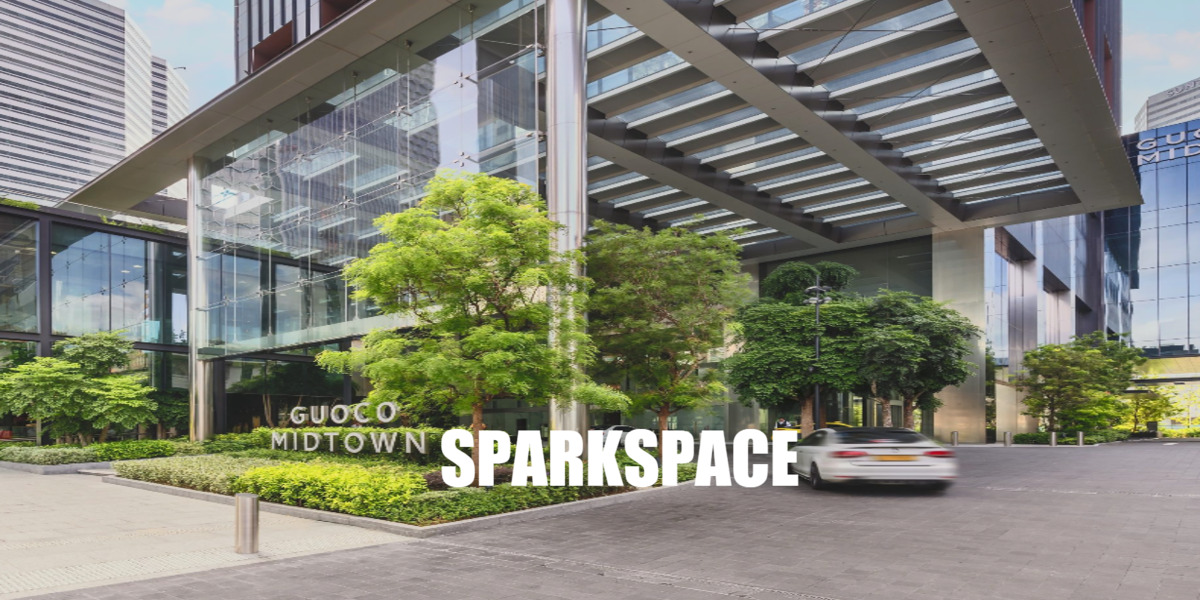
Some landlords now offer flex-space within their own buildings — for example, dedicated coworking floors managed by the building operator. This gives traditional tenants the option to scale up temporarily without committing to additional leased space. Buildings like Guoco Midtown and Duo Tower have integrated flex-space into their tenant offerings.
Making the Decision: A Simple Framework
Answer these four questions:
- How many people need desks? Under 15 → lean towards shared. Over 20 → lean towards traditional. 15–20 → run the numbers for both.
- How long will you be in Singapore? Under 2 years → shared office (avoid the capital outlay). Over 3 years → traditional (amortise the fit-out).
- Do clients visit your office regularly? Yes → traditional (unless you can secure a premium serviced office). No → shared is fine.
- Is your headcount predictable? No → shared (flexibility is worth the premium). Yes → traditional (lock in lower per-person costs).
If you score 3 or more towards one option, the decision is clear. If it is 2–2, the hybrid approach is probably your best bet.
Whichever way the framework points, price it properly before committing. If you land on traditional, our complete guide to office leasing costs covers every line beyond the headline psf, and the office fit-out cost guide covers the capital outlay that shared space avoids entirely. If you land on shared, browse live serviced offices in Singapore to replace the per-person estimates above with real all-inclusive monthly fees.
Director's Note: Many clients come to me convinced they need one or the other, only to realise after our discussion that a hybrid approach works best. A 25-person team might lease 2,000 sq ft in a building like 80 Robinson Road for 20 people and keep 5 coworking memberships for field staff. The total cost is lower than leasing for 25, and the flexibility for satellite workers is a genuine operational advantage.
Browse Traditional Office Buildings in Singapore
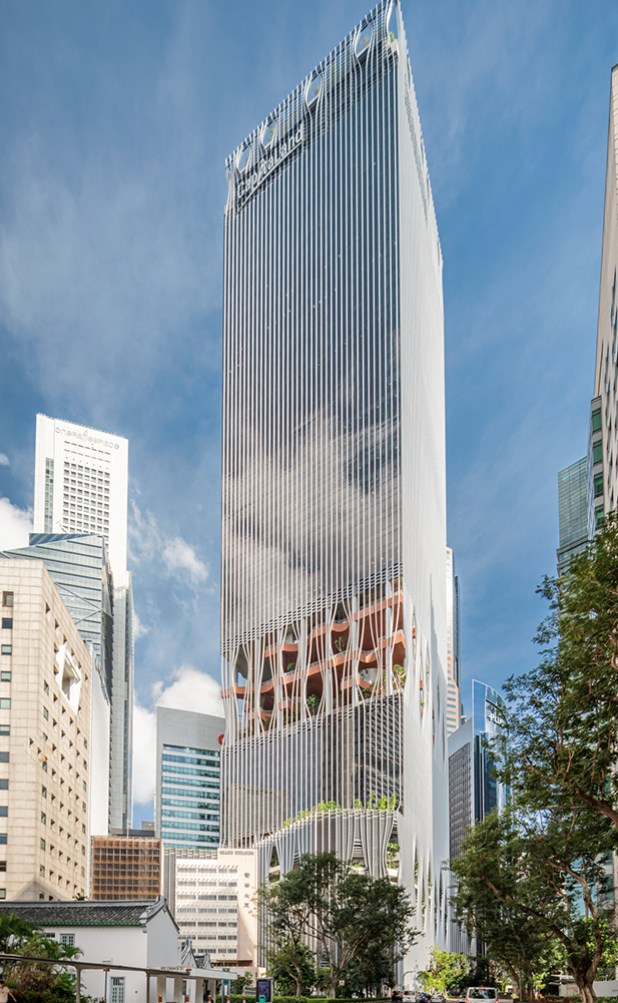
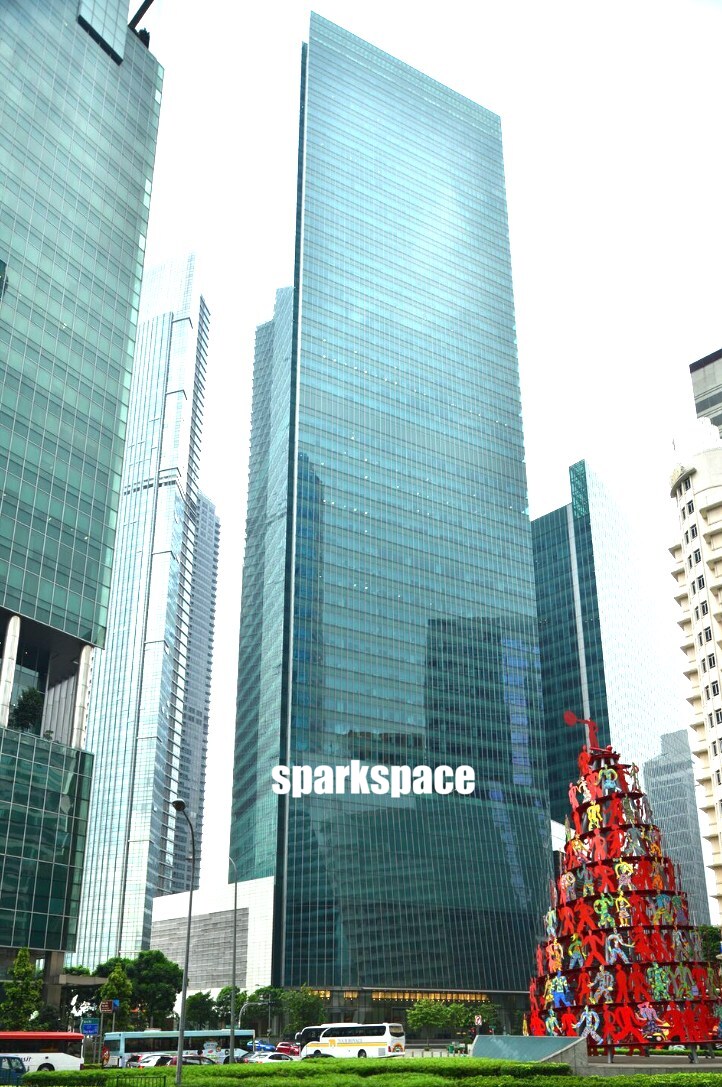
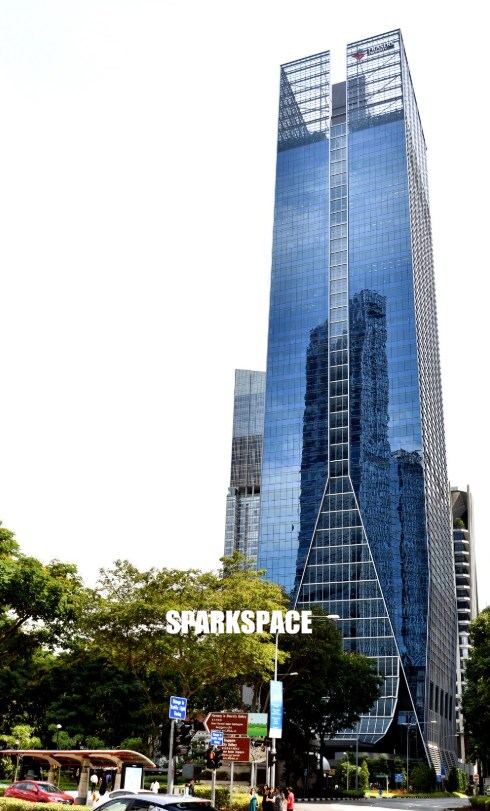
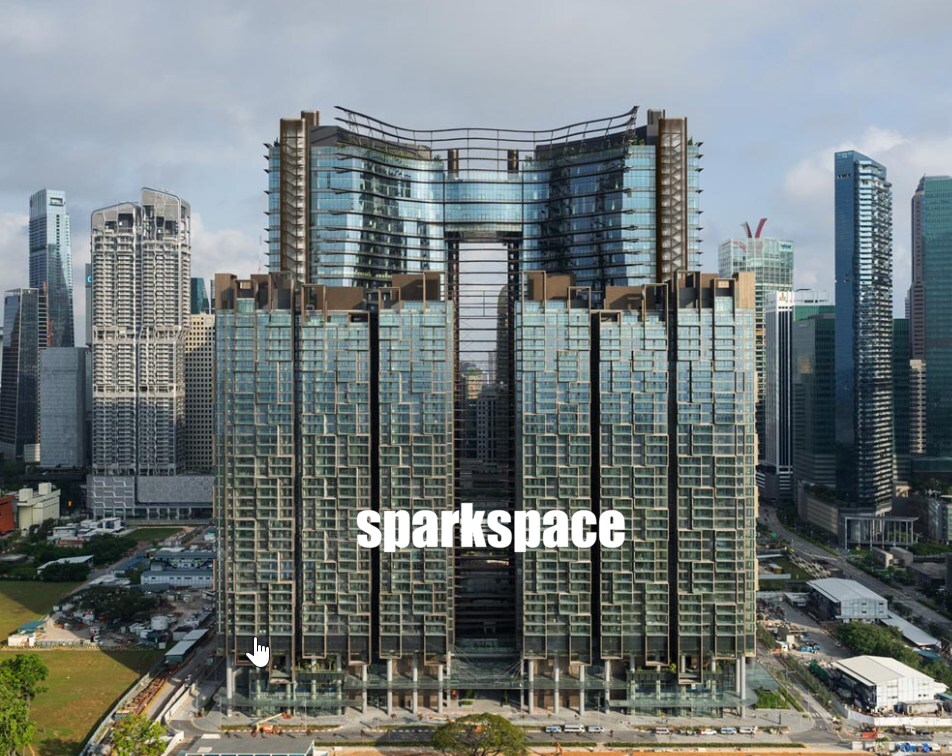
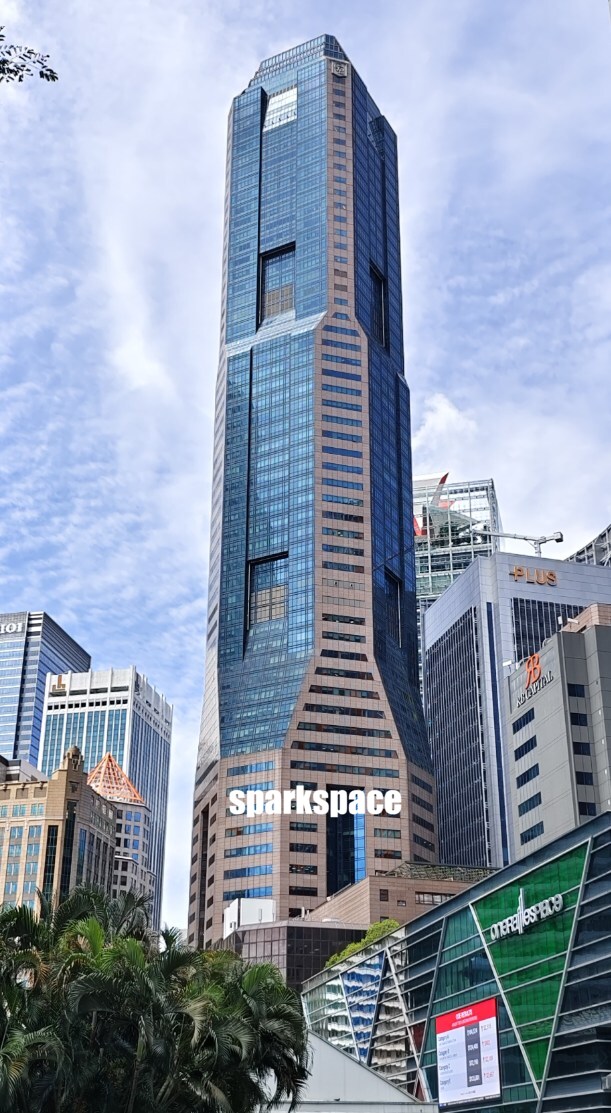
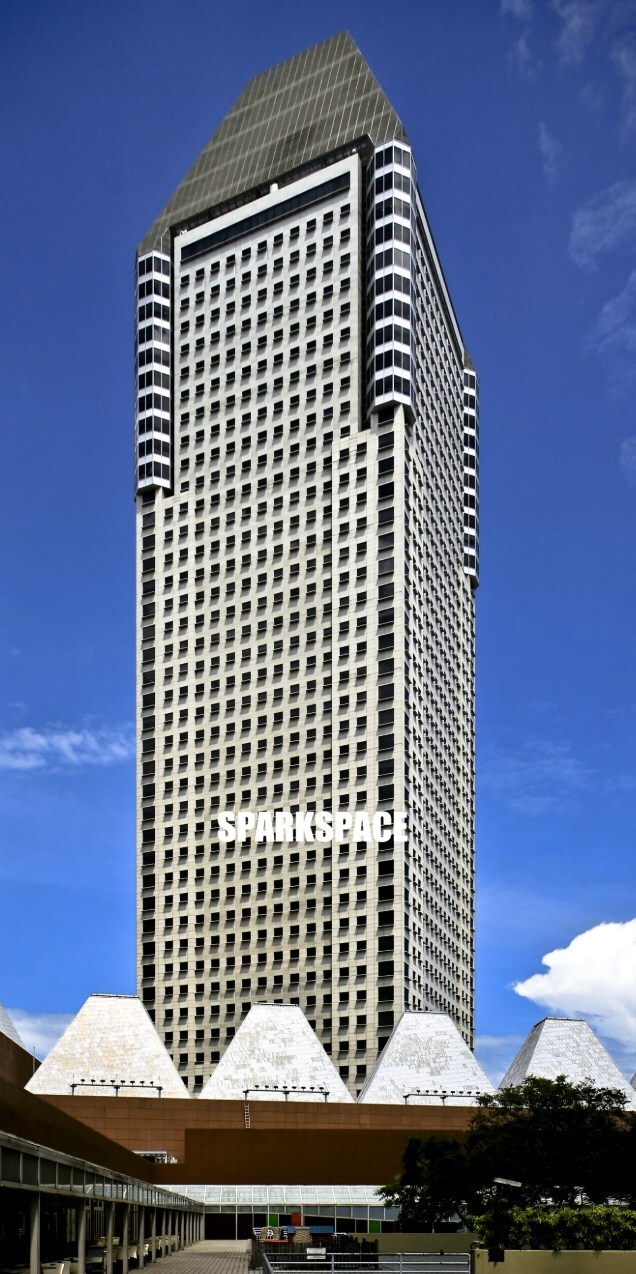
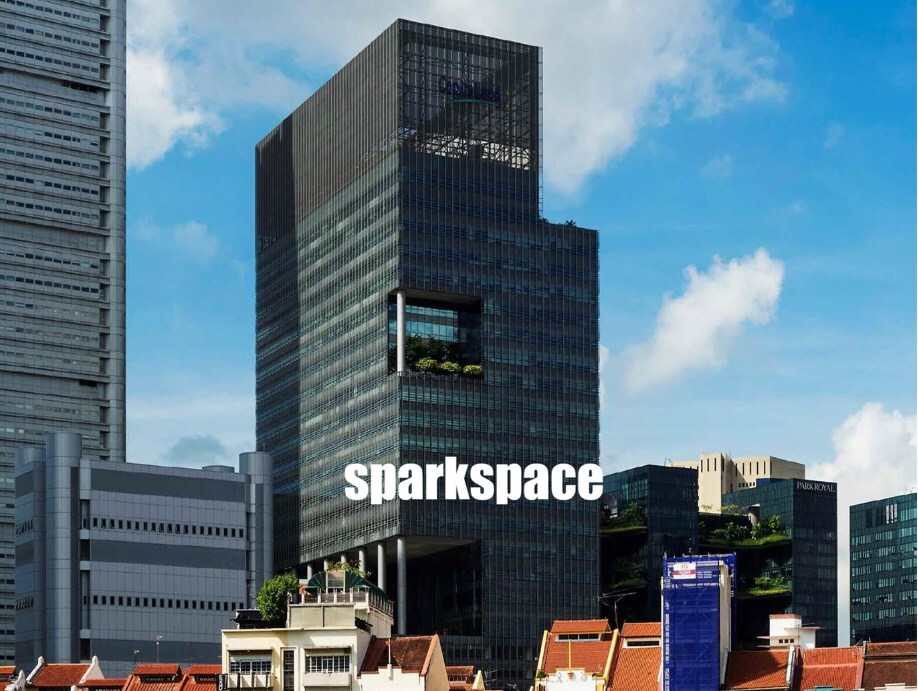
Considering a traditional lease? Browse current rental rates and available units across these Singapore office buildings — from premium CBD Grade A towers to cost-effective city-fringe addresses.
Not Sure Which Option Is Right for You?
SparkSpace advises on both traditional leases and serviced offices. Share your requirements and we will shortlist the best options within 48 hours — free for tenants.
Sources: JLL Singapore Flex Space Market Report 2025, CBRE Asia Pacific Occupier Survey 2025, SparkSpace advisory data (200+ tenant engagements 2016–2026).