
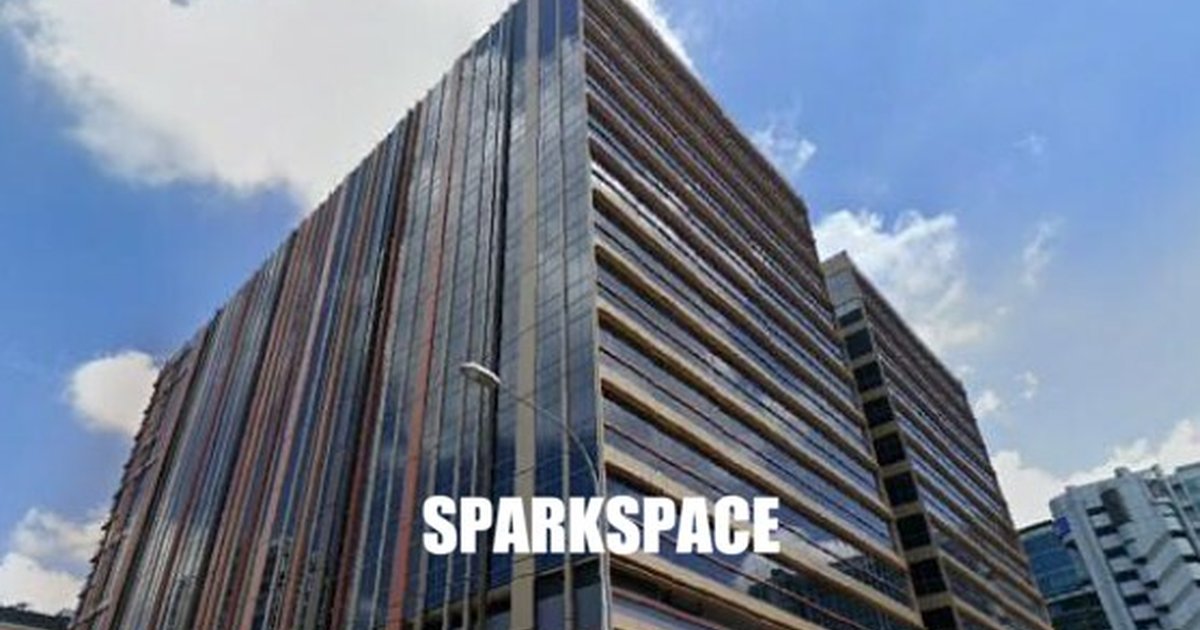
Five years ago, Paya Lebar was known for its food and its flight path. Today it is Singapore's most convincing answer to a question more tenants are asking every renewal cycle: do we actually need to pay CBD rent? The completion of Paya Lebar Quarter (PLQ) in 2019 gave the east a genuine Grade A business address — three office towers, a mall and public spaces built over an MRT interchange — and the district around it has matured into a full alternative office market, with asking rents from $5.50 to $9.80 psf against $12–15 psf for comparable CBD Grade A space.
This guide covers what each building in the district asks in 2026, the specifications you get for that money, the connectivity case, and — just as important — the tenants for whom the move east would be a mistake. The figures are live asking rents from the SparkSpace listings database.
How Paya Lebar Became a Business District
The transformation was deliberate. URA designated Paya Lebar Central as a commercial hub under its decentralisation strategy — the same policy that produced Jurong East and Woodlands Regional Centre — and Lendlease's S$3.7 billion Paya Lebar Quarter development delivered the anchor in 2019: close to a million square feet of Grade A offices across three towers, the PLQ Mall below, and direct basement connection to the Paya Lebar MRT interchange. The district now hosts a roster of multinationals, tech firms and large domestic operations, many of which relocated from the CBD at their first post-2019 renewal.
There is a longer-term kicker most tenants have not priced in: the relocation of Paya Lebar Air Base from around 2030 will progressively lift building height restrictions across the area and free up land for one of Singapore's largest redevelopment precincts. The district's infrastructure was built for a future that is still arriving.
What Offices Cost in Paya Lebar (2026)
| Building | Grade | Asking From (S$ psf/mth) | Notes |
|---|---|---|---|
| Paya Lebar Quarter Tower 1 | Grade A | $9.80 | Largest plates, anchor tower |
| Paya Lebar Quarter Tower 2 | Grade A | $9.80 | Mall-connected, mid-size floors |
| Paya Lebar Quarter Tower 3 | Grade A | $9.50 | Often the value entry into PLQ |
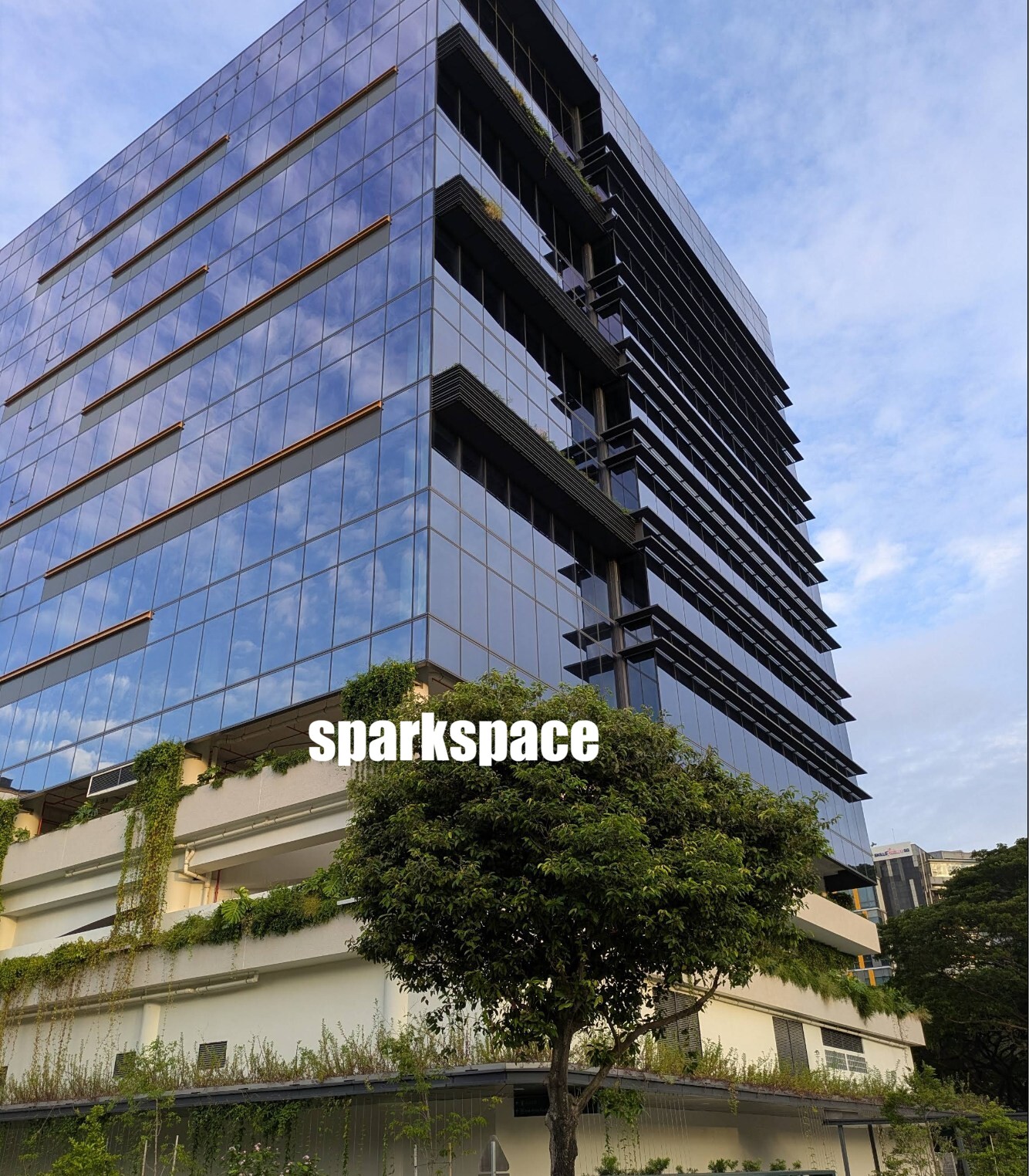
| Paya Lebar Green | Grade A | $8.25 | Newer boutique alternative |
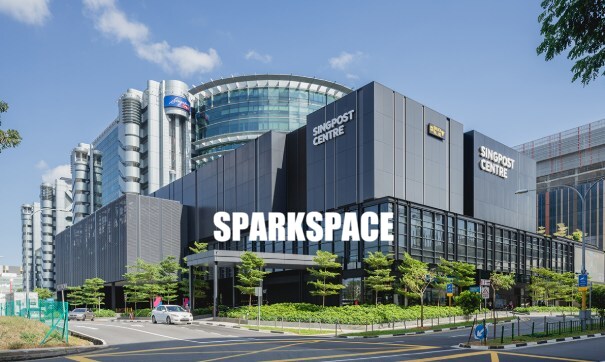
| SingPost Centre | Grade A | $7.50 | Large plates, integrated retail |
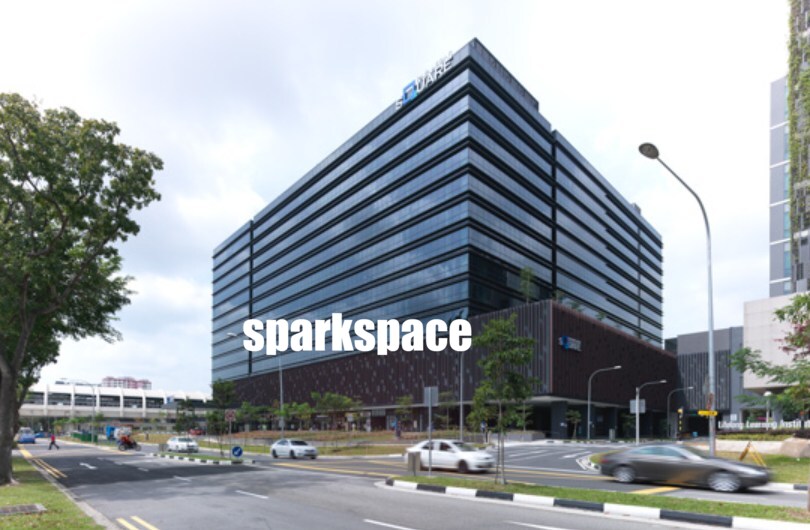
| Paya Lebar Square | Grade B+ | $5.50 | Strata units, smallest budgets |
Reading the table: figures are "from" asking rents on live SparkSpace listings as at July 2026 — higher floors and fitted units ask more, and everything is negotiable. For where these sit against every other district, see our district-by-district cost breakdown.
The Rent Equation, Properly Done
Take a 10,000 sq ft requirement. At PLQ's $9.50–9.80 psf you are paying roughly $95,000–98,000 a month; comparable new-generation CBD Grade A space at $13–15 psf costs $130,000–150,000. That is a saving of around $35,000–52,000 a month — $1.3–1.9 million over a three-year lease — for space whose specifications genuinely rival the CBD stock. For companies with 100+ headcount, the arithmetic tends to end the debate; the remaining question is whether the address matters to your clients, which we come to below.
The PLQ conversation has changed. In 2021 tenants asked me whether leaving the CBD would look like a downgrade. Now the CFO opens with the PLQ number and asks the CBD landlords to justify the difference. In a market where CBD rents sit at a 17-year high, that is a strong opening position.
— Jeremy Lim, Founder & Director, SparkSpace Singapore
Specifications: What You Get for $9.80
The PLQ towers were built to CBD Grade A standards and it shows: column-free floor plates of 25,000–30,000 sq ft (larger than many Raffles Place towers), 2.8m finished ceilings, raised flooring throughout, destination-control lifts, end-of-trip facilities and Green Mark Platinum certification — increasingly a hard requirement for MNC tenants with group ESG targets. Paya Lebar Green offers a newer, smaller-plate alternative for teams of 20–60, while SingPost Centre provides some of the largest contiguous floor plates in the east for operations-heavy occupiers.
Connectivity: The East's Structural Advantage
Paya Lebar MRT interchange sits directly beneath the precinct, putting both the East-West and Circle lines at basement level. The CBD is about 15 minutes door to door; the Circle line runs direct to one-north, Holland Village and Dhoby Ghaut. But the deeper advantage is the catchment: for the hundreds of thousands of employees living in Bedok, Tampines, Pasir Ris and the wider east, Paya Lebar cuts the daily commute by 20–40 minutes round trip versus the CBD. Firms competing for talent have learned to put that in the offer letter. Changi Airport is four stops away for travel-heavy teams, and the PIE and Sims Avenue arterials serve drivers — with parking at roughly half CBD rates.
Amenities: Better Than It Gets Credit For
PLQ Mall covers the daily essentials — food courts to sit-down restaurants, gyms, clinics, supermarkets — and the surrounding district adds what the CBD cannot: one of Singapore's great food neighbourhoods. The Geylang Serai and Joo Chiat corridors put legendary hawker food and heritage cafes within walking distance, and client lunches have noticeably more character than the standard CBD rotation. Kinex mall and the SingPost Centre retail podium widen the options further. What the district lacks is the CBD's density of hotels and fine dining for formal client entertainment — worth weighing if that is a weekly feature of your business.
Who Should Move — and Who Should Stay in the CBD
The move east works for: tech firms and product teams, operations and shared-services centres, businesses with east-side workforces, and any company where headcount is large relative to client footfall. If clients visit you quarterly and your staff commute daily, the decision weights itself.
Stay in the CBD if: your clients expect to meet at your office weekly (private banking, corporate law, consulting), your brand positioning leans on a Raffles Place or Marina Bay address, or your business runs on daily face-to-face proximity to other CBD firms. The convenience premium is real for these tenants — the CBD's own spread, from $6.30 psf Grade B to $18+ premium towers, is covered in our Raffles Place vs Marina Bay comparison.
How Paya Lebar Compares With Other Fringe Hubs
PLQ is not the only decentralised option. The Metropolis at Buona Vista (from $9.20 psf) offers similar quality with a west-coast catchment and the one-north research cluster next door; Mapletree Business City at Pasir Panjang (from $6.50 psf) delivers campus-style space popular with tech giants. The choice usually resolves by workforce geography — east-heavy teams pick Paya Lebar, west-heavy teams pick Buona Vista or Pasir Panjang. On specification and MRT convenience, PLQ remains the strongest all-round package in the fringe market.
The Verdict
Paya Lebar Quarter earns its shortlist place for any tenant whose CBD lease expires in the next twelve months. The 35% rent gap against CBD Grade A funds a better fit-out, a hiring budget, or simply drops to the bottom line — and the specification sacrifice is close to zero. The tenants who should not move know who they are: if the address is part of the product, stay put. Everyone else should at least view it; most are surprised.
Frequently Asked Questions
How much does office space cost at Paya Lebar Quarter?
PLQ's Grade A towers ask $9.50–$9.80 psf per month in 2026 — Tower 3 from $9.50, Towers 1 and 2 from $9.80. Around the precinct, Paya Lebar Green asks from $8.25 psf, SingPost Centre from $7.50 psf, and Paya Lebar Square offers Grade B+ space from $5.50 psf. Higher floors and fitted units ask more.
Is Paya Lebar Quarter a Grade A office building?
Yes. The three PLQ towers are certified Green Mark Platinum and built to CBD Grade A specifications: column-free floor plates of 25,000–30,000 sq ft, 2.8m ceilings, raised flooring, destination-control lifts and end-of-trip facilities. The specification gap versus new CBD towers is minimal — the address, not the building, is the trade-off.
How far is Paya Lebar Quarter from the CBD?
About 15 minutes by MRT. The precinct sits directly above Paya Lebar interchange, where the East-West and Circle lines cross — Raffles Place is a direct ride, and the Circle line connects to one-north, Holland Village and Dhoby Ghaut. For employees living in the east, the commute is typically 20–40 minutes shorter per day than travelling into the CBD.
How much can my company save by moving from the CBD to Paya Lebar?
Roughly 35% on rent for comparable Grade A quality. A 10,000 sq ft tenant paying $13–15 psf in the CBD spends $130,000–150,000 a month; the same space at PLQ costs $95,000–98,000. Over a three-year lease that is $1.3–1.9 million — before counting cheaper parking and lower staff-retention costs from shorter east-side commutes.
Who should not move their office to Paya Lebar?
Businesses where the address is part of the offering: private banking, corporate law and consulting firms whose clients visit weekly, and companies whose brand relies on a Raffles Place or Marina Bay location. If client footfall is high relative to headcount, the CBD's convenience premium usually justifies itself.
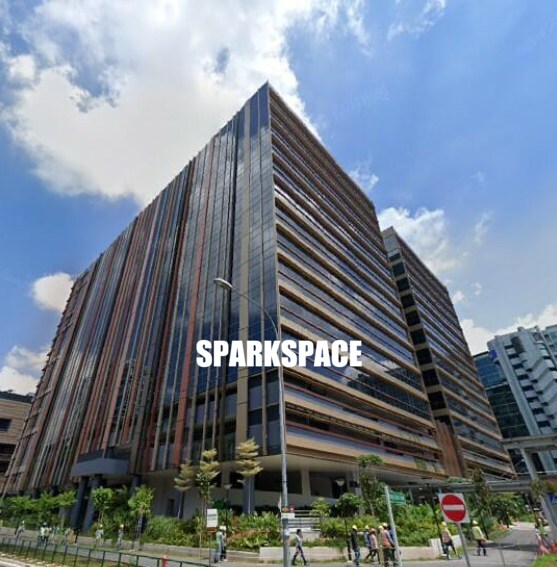
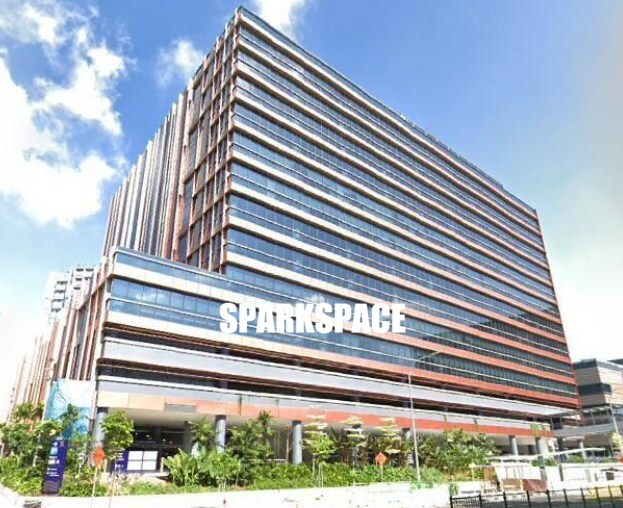
Office Buildings in the Paya Lebar District
Every office building we track in the Paya Lebar district — live asking rents, floor plans and available units. We arrange back-to-back viewings across the precinct, usually within the week.
Comparing PLQ Against Your CBD Options?
We arrange back-to-back viewings — PLQ alongside comparable CBD buildings — with a side-by-side cost model for your headcount, so you can decide with real numbers. Free for tenants.
Sources: SparkSpace listings database — live asking rents as at July 2026; URA Paya Lebar Central planning intentions; Lendlease Paya Lebar Quarter development data. All figures are indicative asking rates in S$ per sq ft per month, subject to change and negotiation.