
Signing an office lease in Singapore is one of the largest multi-year financial commitments a business will make. A 3-year lease for 3,000 sq ft of Grade A CBD space at $10.50 psf works out to over $1.13 million in base rent alone — before security deposit, fit-out costs, service charges, and reinstatement at lease end. Yet many tenants sign without fully understanding the clauses that will govern their occupancy for the next 2 to 5 years.
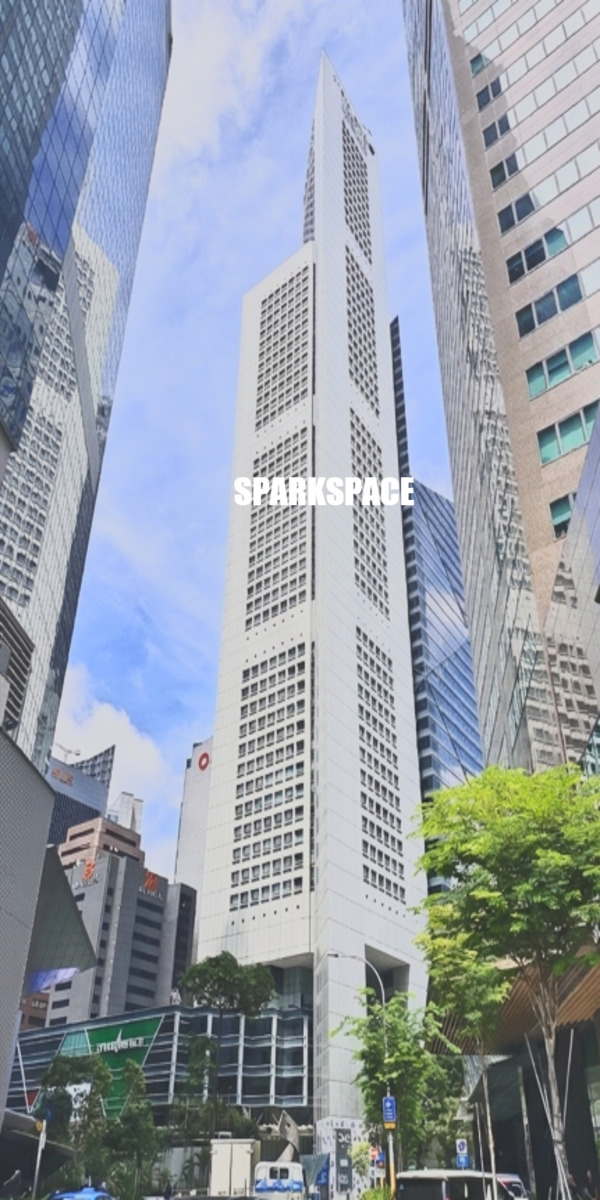
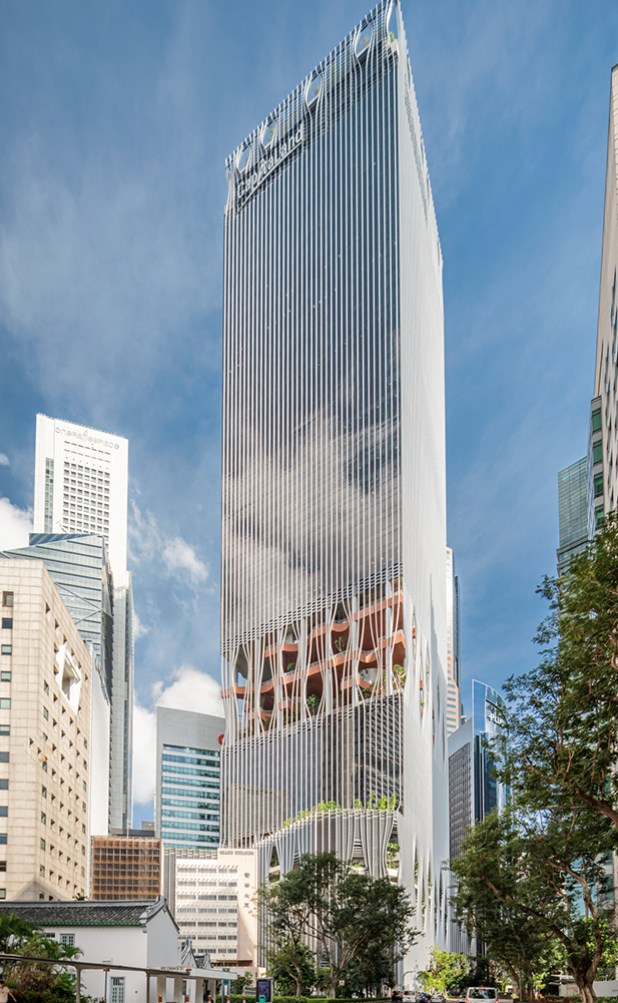
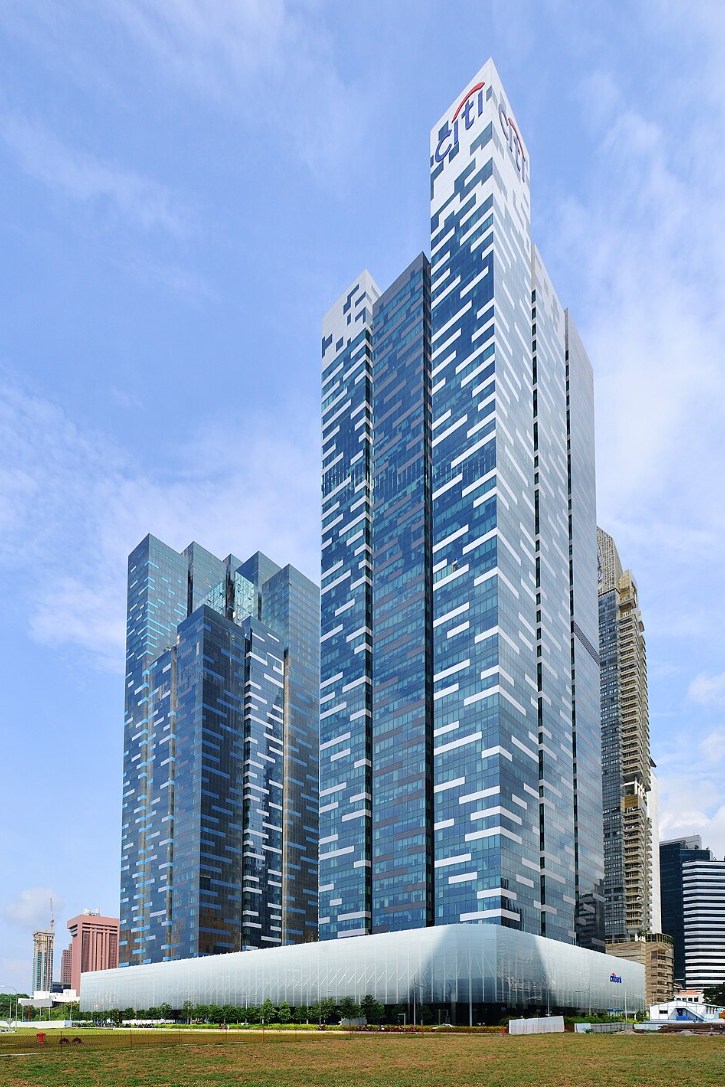
Having advised over 200 tenants on commercial leases across buildings like One Raffles Place Tower 1, CapitaSpring, and Frasers Tower, I have seen how a single overlooked clause — typically reinstatement, escalation, or early termination — can cost a tenant tens of thousands of dollars at lease end. This guide walks through how the Singapore office leasing process actually works, what every key clause means in practice, and where there is room to negotiate before you sign.
The Two-Stage Process: Letter of Offer and Tenancy Agreement
In Singapore, securing a commercial office lease is a two-document process. Major corporate landlords — REITs, GLCs, and institutional owners of Grade A buildings — almost always issue a Letter of Offer (LOO) together with a specimen Tenancy Agreement. In some cases, the landlord may instead require the tenant to sign a Letter of Intent (LOI) accompanied by a one-month good-faith deposit. In current market practice, the LOO route is by far the more common path for established CBD landlords.
Letter of Offer (LOO) and the Specimen Agreement
The Letter of Offer sets out the key commercial terms the landlord is prepared to grant: rental rate, lease term, fit-out period, security deposit quantum, permitted use, and any special conditions such as an early termination right or expansion option. The specimen Tenancy Agreement is provided alongside so the tenant can review the full legal terms before formally accepting.
This is the most important moment in the entire leasing process. Once the tenant signs and returns the LOO with the deposit, the commercial terms are locked in. Any subsequent attempt to change rent, deposit quantum, or fit-out period will require the landlord's goodwill — which is rarely forthcoming.
Letter of Intent (LOI)
Where landlords use an LOI route — more common with smaller landlords, strata-titled buildings, or competitive bid situations — the LOI captures the tenant's offer to lease on stated terms, typically accompanied by a one-month good-faith deposit. The LOI is generally non-binding in commercial substance, but the exclusivity period and the deposit treatment are usually binding. If the tenant withdraws after LOI execution, the deposit may be forfeited.
Tenancy Agreement (TA)
The TA is the binding legal contract — typically 30 to 60 pages, covering every aspect of the landlord-tenant relationship. Most Singapore landlords use their own standard-form TA, drafted in the landlord's favour. This is where professional representation makes a material difference: an experienced tenant representative knows which clauses are genuinely negotiable and which are standard market practice.
Director's Note: For leases with major corporate landlords, the landlord's legal fees are always borne by the tenant — this is standard market practice and non-negotiable. The base legal fee is typically $2,000–$5,000 for a straightforward TA execution. However, if the tenant requests amendments to the standard-form agreement, each round of revisions adds billable hours and the legal costs will rise accordingly. Tenants should factor this into their budget and prioritise the clauses that matter most — reinstatement, escalation, and early termination — rather than redlining every clause.
Rental and Financial Clauses
Base Rent vs Gross Rent: How Singapore Office Rents Are Quoted
This is the single most misunderstood point in Singapore office leasing. In current market practice, advertised rents on listing portals and in marketing materials are quoted as gross rent — that is, the figure already includes the service charge.
For example, a Grade A office advertised at $12.00 psf typically signs at that headline rate, but the underlying breakdown is:
- Base rent: approximately $10.50–$11.00 psf
- Service charge: approximately $1.00–$1.50 psf (covering air-conditioning during standard hours, common area maintenance, security, and building management)
- Gross rent: $12.00 psf
This matters because the base rent is the figure used to compute GST on rent, the rent-free fit-out value, and any future rent reviews — while the service charge is a pass-through cost that the landlord may revise periodically. When comparing offers across buildings such as Republic Plaza, Singapore Land Tower, or Ocean Financial Centre, always confirm whether the quoted figure is gross or base, and ask for the breakdown in writing.
Rental Escalation
Most Singapore landlords will only commit to a 3-year fixed rental term — this is the market default. For a standard 3-year lease, the rent is typically locked in for the full duration with no mid-term escalation.
Where a tenant negotiates a longer 5-year lease, the landlord will almost always insist on a rental step-up for years 4 and 5. Common escalation structures for the extended period include:
- Fixed dollar step-up: A defined increase (e.g., +$0.30–$0.50 psf) applied from year 4 onward
- Percentage escalation: An increase of 3–5% applied to the year-3 rent from year 4
- Market review: Rent reset to prevailing market rate at the start of year 4, more common in institutional leases
Where possible, negotiate for a fixed dollar step-up rather than a percentage or market review — it provides full cost certainty. In the current 2026 market, most CBD landlords are prepared to agree a $0.30–$0.50 psf step-up at the start of year 4 in a 5-year lease.
Security Deposit
The standard security deposit for Singapore office leases is 3 months' gross rent. Most landlords accept a bank guarantee (BG) in lieu of a cash deposit, which preserves working capital. A BG typically costs 1.5–2% of the guaranteed amount per annum.
However, before accepting the standard 3-month deposit, landlords will typically review the tenant's ACRA Bizfile to check the company's paid-up capital. The general rule of thumb: the tenant's paid-up capital should be at least 6 months' gross rental. If the paid-up capital falls short of this threshold — which is common for newly incorporated companies, SPVs, or startups — the landlord may require an enhanced deposit of up to 6 months' gross rent.
Conversely, established multinationals with strong balance sheets and a proven Singapore track record can sometimes negotiate the deposit down to 2 months. For tenants with low paid-up capital, offering a higher cash deposit or a corporate guarantee from a parent company can help bridge the gap.
Fit-Out Period and Rent-Free Provisions
Most Singapore landlords grant a rent-free fitting-out period at the start of the lease. This is the window during which the tenant can carry out renovation works before rent commences. The duration granted is closely tied to the size of the unit being leased — landlords scale fit-out generosity to the build complexity and the value of the lease.
- Units of 2,000–3,000 sq ft: typically 1–2 months rent-free fit-out
- Units of 4,000 sq ft and above: typically more than 2 months, often 8–12 weeks for bare units
- Shell-and-core space in newer buildings: can extend to 12–16 weeks, reflecting the additional time needed for ceiling, flooring, and full M&E install
- Fitted or partially fitted units: 2–4 weeks rent-free, since most build work is already in place
During the fit-out period, tenants are typically still responsible for the service charge — only the base rent is waived. Clarify this point in writing at the LOO stage, because the difference can be material for larger units.
Renovation Approval
All renovation works must be approved by the landlord's building management office before commencement. Tenants will need to submit detailed plans, appoint a contractor (some buildings maintain a list of pre-approved contractors), and comply with building-specific guidelines on noise hours, hot works, materials, and fire safety.
Budget 2–3 weeks for the approval process. If the fit-out window is tight, start the submission immediately upon LOO execution — do not wait for the full TA to be signed.
Reinstatement Clause
The reinstatement clause is one of the most expensive obligations in any Singapore office lease — and one of the most commonly underestimated by first-time tenants. It requires the tenant to restore the premises to its original condition (typically bare shell or as-handed-over state) at the end of the lease.
Reinstatement costs in Singapore typically range from $10–$30 psf, depending on the extent of the original fit-out and the landlord's reinstatement specifications. For a 3,000 sq ft office, that translates to $30,000–$90,000 — an amount that should be budgeted from the start of the lease, not discovered in the final year.
Key reinstatement points to negotiate:
- Fair wear and tear exemption: Push for a clause that excludes normal wear and tear from the reinstatement scope
- Partial reinstatement / handover as-is: If an incoming tenant wants to retain your fit-out, the landlord may agree to waive full reinstatement
- Reinstatement deposit: Some landlords (particularly in Capital Tower and Centennial Tower) require a separate reinstatement deposit on top of the security deposit
- Timeline: Most leases require reinstatement to be completed before the lease expiry date — meaning the tenant must vacate early and begin works 4–6 weeks before expiry
Director's Note: Before any fit-out works begin, I strongly recommend tenants get their appointed fit-out contractor to conduct a thorough pre-condition survey of the premises. This means photographing and documenting every wall, ceiling, floor, and fixed fitting in the as-received state. The contractor's survey report serves as an objective baseline — far more credible than photos taken on a phone — and becomes the definitive reference point when the landlord assesses reinstatement at lease end. Without it, disputes about what constitutes "original condition" can drag on for months and eat into the security deposit.
Early Termination
Early termination is where the landlord agrees to allow the tenant to exit the lease before its contractual expiry. Unlike a natural lease expiry, an early termination requires the tenant to bear all associated costs. These typically include the agency commission for sourcing a replacement tenant, legal fees for preparing and executing the surrender agreement, and any shortfall in rent if the replacement tenant signs at a lower rate.
In practice, landlords will only agree to an early termination if the tenant can demonstrate a genuine reason — such as company restructuring, relocation out of Singapore, or significant downsizing. The landlord has no obligation to grant early termination, and the commercial terms (who bears what cost, how much notice is required, and when the tenant can vacate) are negotiated on a case-by-case basis.
Tenants who foresee a possibility of early exit should raise this at the LOO stage and push for early termination mechanics to be written into the Tenancy Agreement. Doing so after the TA is signed leaves the tenant with no contractual leverage.
We have covered this in full, including how surrender terms are actually negotiated and what a replacement tenant changes, in our guide to pre-terminating an office lease in Singapore.
Assignment and Subletting
Most Singapore office TAs restrict or prohibit assignment (transferring the lease to another party) and subletting without the landlord's prior written consent. Key levers to negotiate:
- "Consent not to be unreasonably withheld": Insist on this language — without it, the landlord has absolute discretion to refuse
- Subletting premium: Some landlords charge an administrative fee or claim a percentage of any subletting profit
- Permitted sharing: If sharing space with a related entity or affiliate is foreseeable, carve this out explicitly in the TA
Assignment rights matter most for fast-growing companies in buildings like Bugis Junction Towers or Parkview Square. If headcount doubles and a relocation is needed mid-term, the ability to assign the existing lease prevents the tenant from carrying double rent during transition.
Renewal and Right of First Refusal
A renewal option gives the tenant the right (but not the obligation) to extend the lease for an additional term, typically at prevailing market rent. Aim to negotiate:
- Fixed renewal terms: Specify the renewal period (e.g., 2 or 3 years) rather than leaving it open-ended
- Rent cap on renewal: Some tenants secure a cap (e.g., no more than 10% above the final-year rent)
- Notice period: Confirm the notice window for exercising renewal (typically 6–9 months before expiry) is realistic
- Right of first refusal (ROFR): If expansion is on the roadmap, negotiate ROFR on adjacent units — common practice in 80 Robinson Road and 78 Shenton Way Tower 1, where tenants frequently grow within the same building
Other Important Clauses
Permitted Use
The TA will specify what the premises may be used for — typically "general office use" or a specific business activity. Confirm the permitted use covers actual operations. URA zoning rules also apply: a unit zoned for "office" use cannot be repurposed for retail, training centre, or certain other uses without separate URA approval.
Insurance Requirements
Tenants are typically required to maintain public liability insurance — with coverage of $1 million to $3 million being the standard range for CBD office buildings — along with contents and fit-out insurance. Some landlords additionally require tenants to insure plate glass and external signage.
Force Majeure
Post-COVID, force majeure clauses receive far more scrutiny. Confirm the clause covers government-mandated closures, infectious disease outbreaks, and other events that may prevent the tenant from using the premises. Several newer leases — including those in buildings like Guoco Midtown — now include specific pandemic provisions.
Signage Rights
If building signage or lobby directory listing matters for the business, negotiate this at the LOO stage. Premium addresses such as One Raffles Place Tower 2 and OUE Bayfront may charge separately for lobby signage, and availability is limited.
Common Mistakes to Avoid
- Not calculating total occupancy cost: Gross rent + air-con (after-hours) + car parking + amortised reinstatement = the true cost per sq ft. Our complete guide to office leasing costs works this through line by line
- Ignoring reinstatement: Budget for it from day one of the lease, not at lease expiry
- Signing without representation: Landlords are represented by experienced leasing managers — tenants should be, too
- Failing to document handover condition: Take photos and videos on the day of handover, before any works begin
- Missing renewal notice deadlines: Mark the renewal notice date in the calendar immediately upon signing — missing it forfeits the renewal right
Director's Note: Across 10+ years advising tenants, the most common regret I hear is, "I wish I had negotiated the reinstatement clause." By the time tenants understand the cost, the lease is signed and the leverage is gone. Get it right at the start.
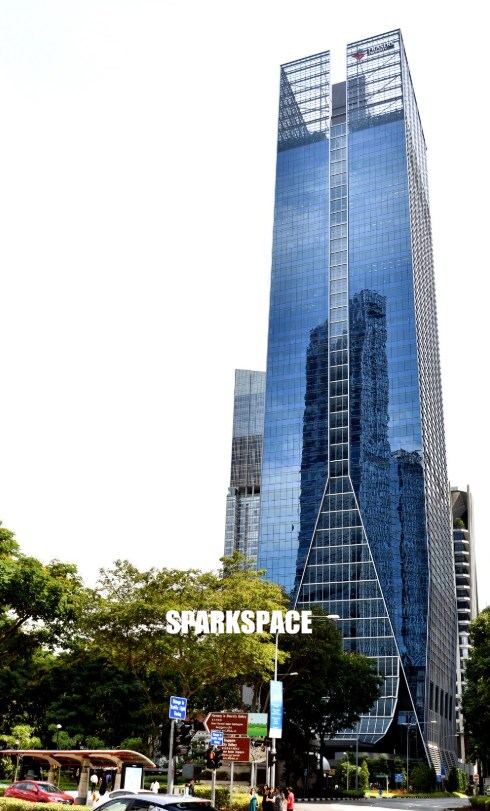
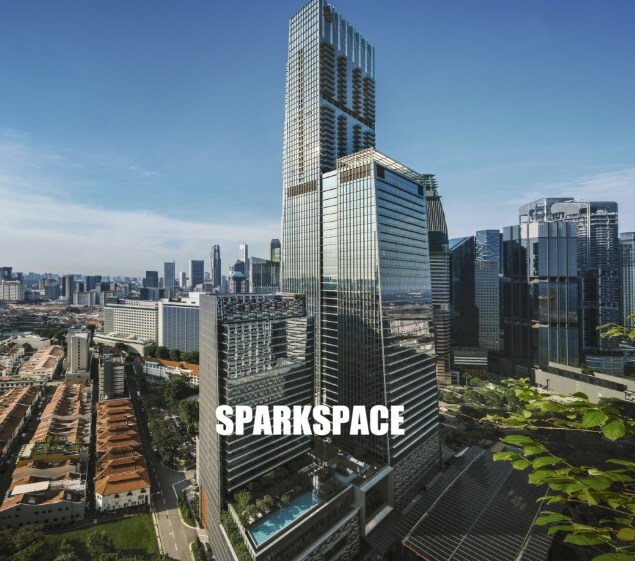
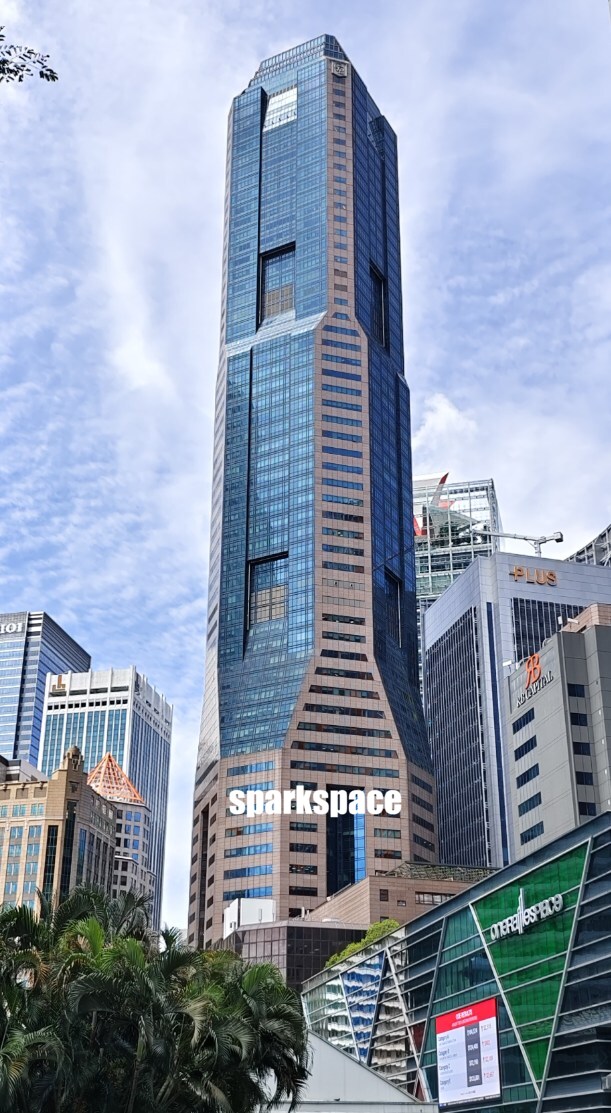
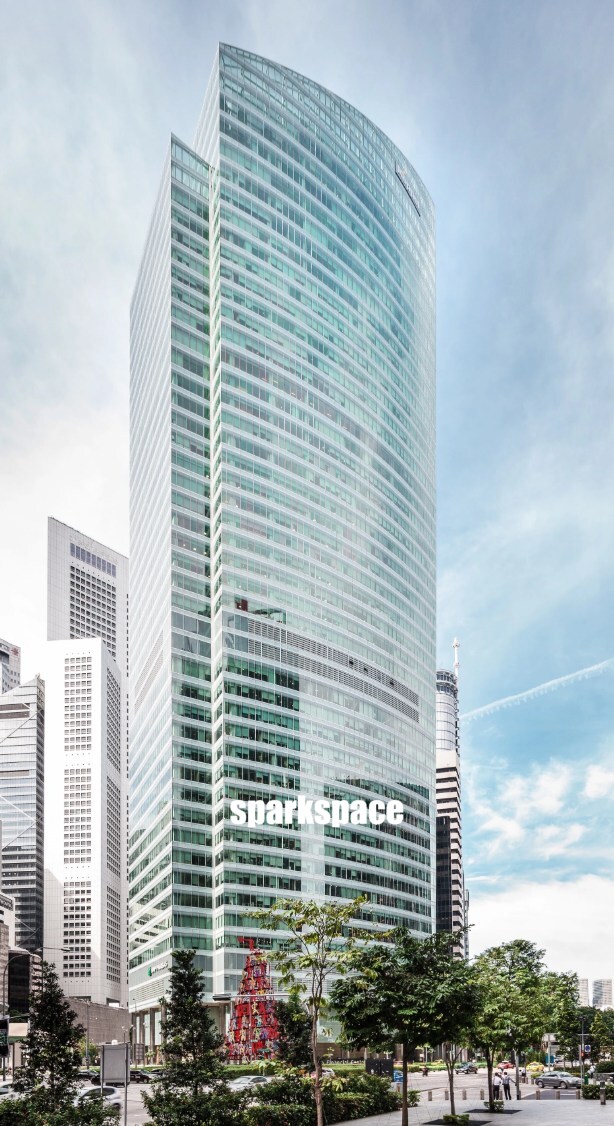
Featured Grade A Office Buildings in the Singapore CBD
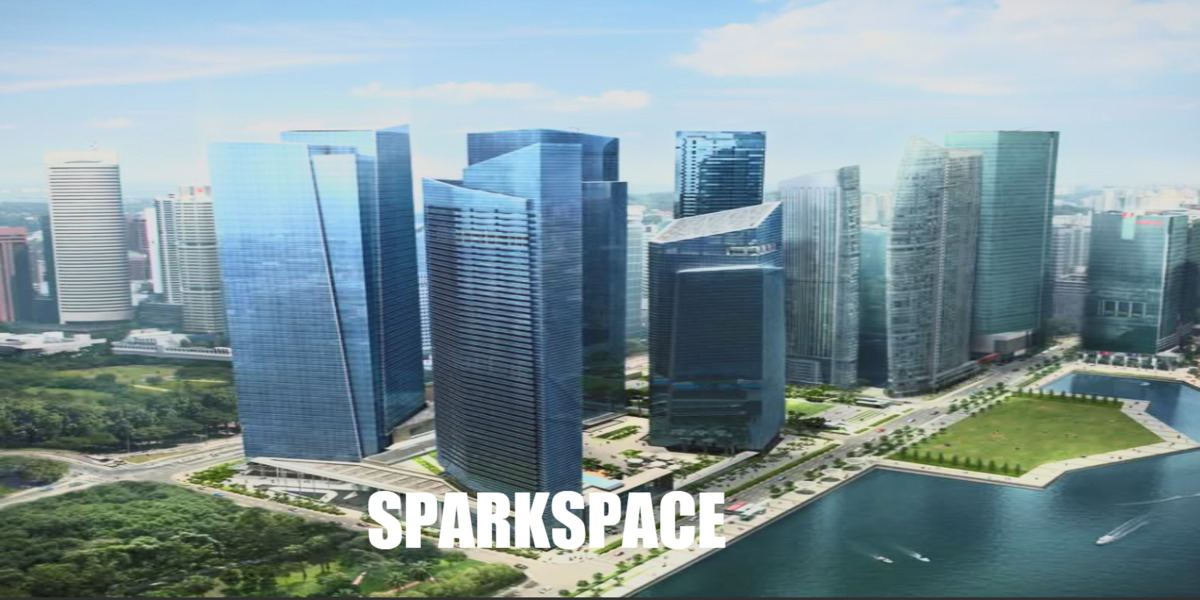
Considering where to lease? Browse current rental rates, floor plans, and available units across these prominent CBD office buildings — each backed by SparkSpace's listing data and on-the-ground tenant advisory.
Need Help Reviewing Your Office Lease?
SparkSpace provides free tenant advisory — we review LOOs, negotiate lease terms, and ensure you are protected before you sign.
Sources: URA commercial property guidelines, IRAS stamp duty schedule, CEA practice guidelines for commercial leasing, SparkSpace advisory data (200+ tenant engagements 2016–2026).